
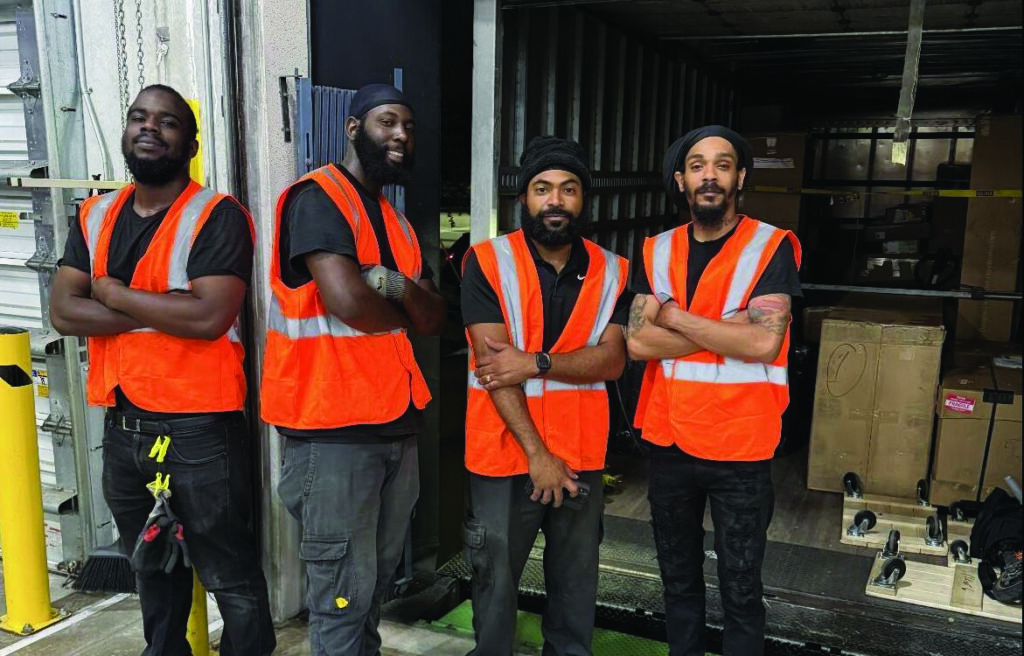
The Crew of BJM Moving Solution (Courtesy of TWN Studio)
(Source: Miami Times)
The South Florida entrepreneur now mentors students and creates opportunities for formerly incarcerated workers
Stephen Robb, Miami Times Staff Writer May 20, 2026 Updated May 20, 2026 Comments
Asked why he got into shipping, Benjamin McNamee has a deceptively simple answer.
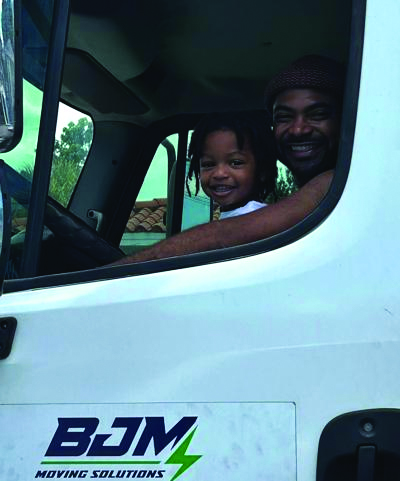
“Everything has to be shipped,” said McNamee, founder and CEO of BJM Moving Solutions. “It’s a trillion dollar industry; there’s some place in it for me to make a living and a life for my family.”
Before he decided to start his own business, McNamee was simply looking for a well-paying job where he’d be appreciated. But there was one obstacle: a criminal conviction.
He recalls one particular service industry job.

“The job was low paying, but I had to work,” McNamee said. “My bosses, they undervalued me all the time, and I had to support my family as well. So it was like, do I accept just any job because I have to support my family? That made me understand that I needed to create something for myself. I needed to create income stability, create my own work path, my own entrepreneurial spirit.”
When McNamee attended Florida A&M University in 2011, he was involved in a fatal hazing incident with other marching band members. He was found guilty of third-degree felony manslaughter and hazing causing death. After serving 60 days in prison awaiting sentencing, a judge gave him ten years of probation.
McNamee later wrote a book titled “No Hazing, No Bullying: The Ben McNamee Story,” and now tours high schools to tell students about the mistakes he made and the unintended consequences of hazing rituals.
“I let them know exactly my story upfront,” McNamee said. “I bring my chains. I bring my handcuffs. I let them know this is something that you don’t want to be involved in.”
His work talking to students ultimately shaved five years from his probation.
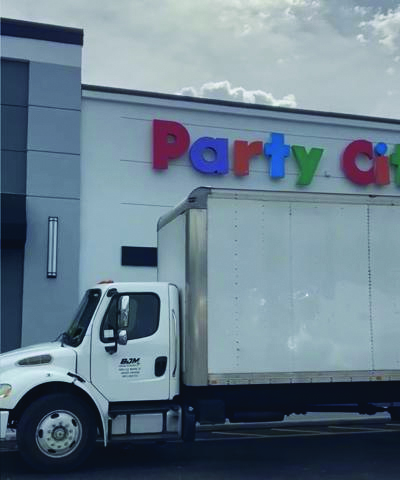
Despite taking a hit from the cost of diesel fuel, McNamee said his business is doing well. He has contracts with national and multinational companies like Amazon and Wayfair, and he’s tripled his revenue.
He also said moving freight gives him more time with his family.
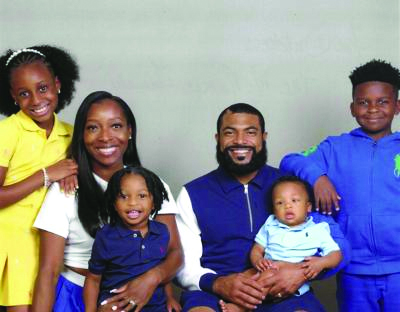
“When I was working (past jobs), I worked 12-hour shifts and back-to-back shifts,” McNamee said. “At that time my son was born, and it was like, I got to see him, got to say ‘what’s up’ to him, but I gotta take a nap because I need to get ready for work. I appreciate what I have even more.”
But knowing how difficult it is for formerly incarcerated people to become employed, he’s working on making his business a felon-friendly workplace.
He said he’s been setting up a pipeline for drivers from local truck driving schools.
“Some of them, they have a good driving record, and they just need a chance,” McNamee said.
He pointed to his friend Junior, who was convicted of a felony and served time in prison. Now that he’s out, Junior and McNamee have been helping each other out.
Junior asked to be identified by first name only out of fears that speaking of his criminal record might affect current or future employment opportunities.
Junior said there are plenty of obstacles for felons trying to get work, especially in the freight business.
“Potential employers look at it as if you’re still a liability,” he said. “And they would rather take a different candidate that does not have a record, even if you may have more experience than they do.”
“I’ve put in about, I can say, at least six applications a month, just trying, and I would just still not get the opportunity, even with going through orientation, and it would not work out due to the background check,” Junior added.
Junior and McNamee had been longtime acquaintances who reconnected at an Amazon facility warehouse. The chance meeting became mutually beneficial.
“There are many times where he’ll have extra opportunities, and I’ll work with him and help him out, and vice versa,” Junior said. “If I have something, then I’ll shoot him a message or a call, and then if he’s available to help out with the opportunity, he helps me out as well.”
He said employers who accept felons, like McNamee, are rare. Even when hired, Junior says he can’t be contracted out to companies that perform background checks.
“If you’re in his employ but cannot pass a background check, then that particular employee cannot work for that specific corporation and contract,” Junior explained. “But if you find something … where they just need the job done, who aren’t stressing about the background check, they’re just more worried about the pricing and the experience, then, that employee will be able to work and gain the opportunity.”
But Junior said these opportunities have limitations.
“Those type of pipelines are rare to find,” he said. “They’re not guaranteed. You may find them today, and you might not see that contract or that person again for another two weeks or three weeks, whenever they actually need the assistance.”
“If you don’t have a direct contract due to your background check, every day is not promised,” Junior added. “Every day you’re outside struggling, trying to find an opportunity that’s not guaranteed, and that really sucks. So, those are the challenges that a lot of us face when we have records.”
McNamee said he’s well aware of these challenges and wants to help mitigate them.
“I want to be able to speak with and find drivers having a felony even if they were incarcerated,” McNamee said. “I’m willing to take that chance because no one really took a chance on me. I’m really trying to make something for the next person and their family.”