
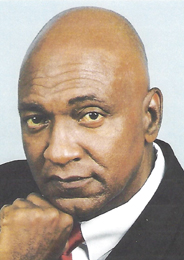
“Assassins represent an existential threat to Democracy equally as dangerous as Republican Congresspersons, SCOTUS’ (six conservative Justices), and local legislators who support suppressive voters legislations.” John Johnson 11 04/29-26
By John Johnson
In every democracy, power is meant to transfer through ballots, not bullets. Yet whenever violence is aimed at a national leader—whether successful or not—it shakes the foundations of public faith in elections. An assassination attempt, by design, tries to override the will of millions with the will of one. And in that sense, an assassin’s bullet is not unlike any scheme that suppresses or distorts voters’ ability to cast ballots freely. Both undermine the same principle: that the people alone choose the president.
When a would-be assassin tries to strike a president—whether at a rally, on a golf course, or in a hotel ballroom—the intent is to substitute force for democratic choice. When legislators or officials push measures that functionally limit or dilute voting access, the effect can echo the same danger: ballots become weaker than bullets. A democracy cannot thrive when either physical violence or political manipulation determines its future more than the votes of its citizens.
Equally corrosive is the spread of misinformation about electoral fraud. Claims launched without evidence can do what violence seeks to do more abruptly—sow distrust, fracture confidence, and make citizens believe elections are rigged before they begin. And when violent incidents occur alongside a climate of misinformation, the combination can distort national sentiment and inflame political divisions even further.
Public reaction to any assassination attempt is shaped not only by the act itself but also by the unanswered questions that follow. People naturally want to understand how an attacker was able to get so close, move among attendees, or pass security unnoticed. They question who was chasing whom, whether trained personnel responded as intended, and whether casualties resulted from the attacker or from defensive fire. These questions are not accusations—they are the public’s instinctive demand for clarity when their democratic process has been threatened.
Federal and state laws exist precisely to prevent any interference with elections, whether through intimidation, manipulation of turnout, misuse of campaign resources, or actions that grant unfair advantage to specific candidates. These laws recognize that elections can be distorted not only by policy but by events that alter public perception. A serious act of political violence, such as an attempted assassination, can shift voter sentiments dramatically, elevating fears, sympathy, anger, or uncertainty. When a president has faced multiple attempts on his life, citizens naturally wonder about security failures, institutional competence, and the broader implications for national stability. Historical memories—such as the lingering doubts surrounding the assassination of John F. Kennedy—intensify these anxieties.
Against this backdrop, decisions to construct a colossal new venue or ballroom as a supposed safeguard against further attacks risk appearing detached from reality. No building, regardless of its $200 million price tag, can guarantee protection from individuals intent on causing harm. Violence adapts; assassins do not respect architectural boundaries. Pretending otherwise can insult public intelligence and distract from the systemic improvements that are needed.
Ultimately, whether the threat comes from Supreme Court’s Chief Justice, Roberts gutting the 1965 Voting Rights Act Section 5, or a lone gunman, flawed legislation, or corrosive misinformation, the result is the same: the ballot is weakened, and democracy itself comes under strain. Safeguarding both the president and elections requires more than building fortified bunkers and counting votes—it demands a vigilant defense of the president and the conditions that allow votes to matter.
YOU ARE THE JUDGE!