
By Bobby R. Henry Sr., Westside Gazette Publisher
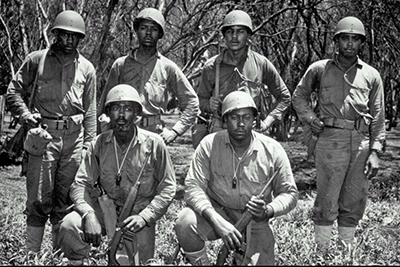
As America prepares to commemorate the anniversary of D-Day on June 6, we rightfully remember the courage of the Allied forces who stormed the beaches of Normandy, France, during one of the most pivotal military operations in world history. Yet, too often left out of the story are the thousands of African American soldiers whose service and sacrifice helped make that victory possible.
On June 6, 1944, more than 156,000 Allied troops landed on the beaches of Normandy in an effort to liberate Europe from Nazi occupation. Among those brave men were African American soldiers serving in segregated units, fighting for freedom abroad while being denied many of the freedoms they sought to defend at home.
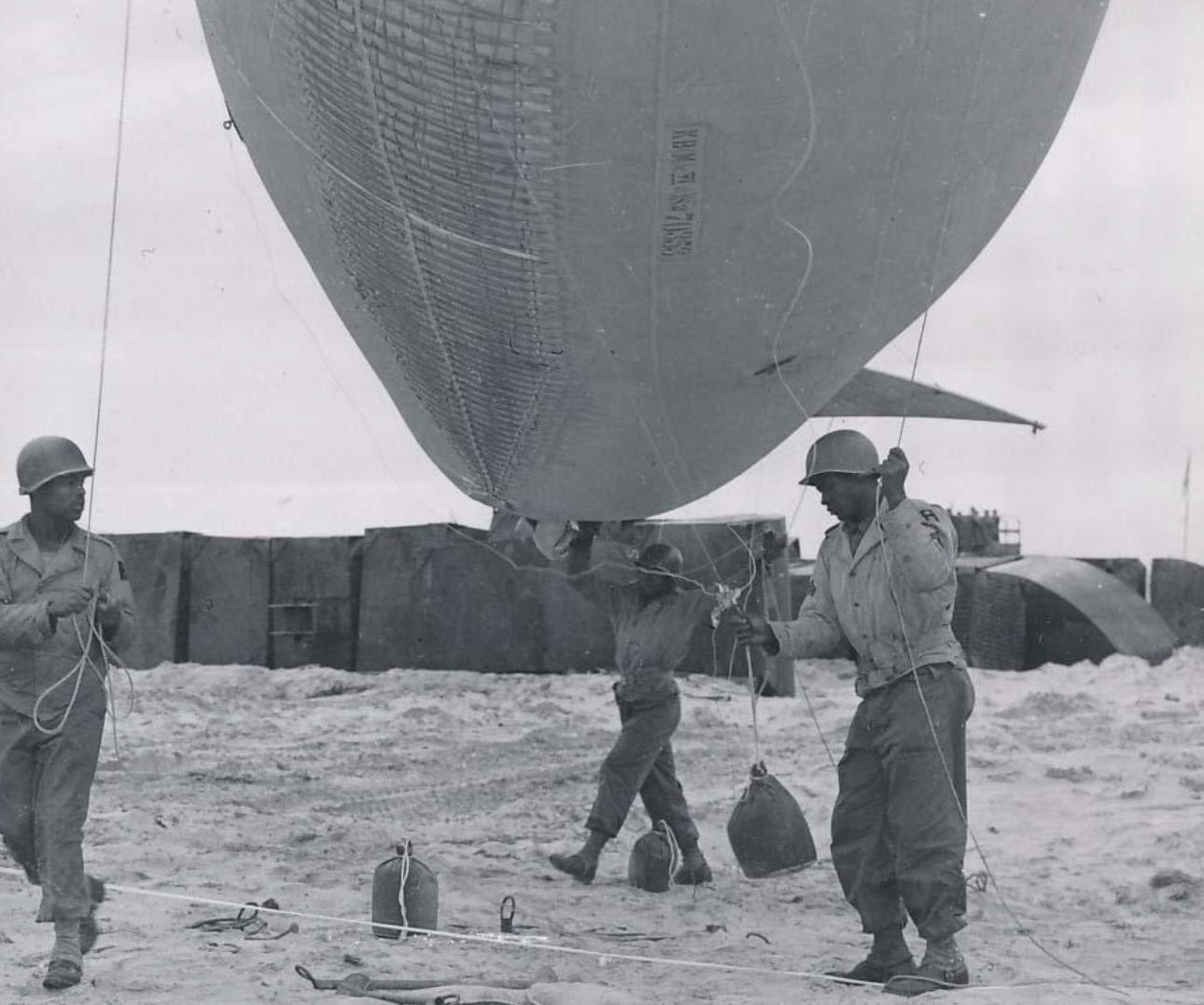
One of the most notable African American units involved in the invasion was the 320th Barrage Balloon Battalion, the only all-Black combat unit to land during the initial D-Day assault. Their mission was both dangerous and essential. Under enemy fire, they deployed large balloons tethered above the beaches to protect Allied troops from low-flying German aircraft. Their efforts saved countless lives and helped secure the beachheads that would become the gateway to the liberation of Europe.
African American soldiers also served in critical support roles that proved indispensable to the success of the Allied campaign. They transported supplies, unloaded ships, built roads and bridges, operated communication systems, and cared for wounded soldiers. Though often denied the opportunity to serve in frontline combat positions, their work ensured that Allied forces had the resources needed to continue their advance across France and into Germany.
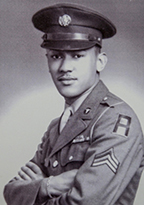
Among the heroes of D-Day was Waverly B. Woodson Jr., a young Black Army medic who treated dozens of wounded soldiers while under heavy enemy fire. Even after being wounded himself, Woodson continued providing medical care for nearly 30 hours. His extraordinary bravery saved lives and exemplified the dedication of African American servicemen throughout the war.
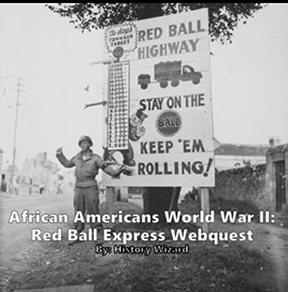
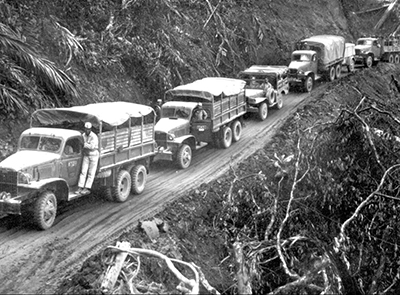
Following D-Day, African American soldiers became the backbone of the famous Red Ball Express, a massive transportation network responsible for delivering fuel, ammunition, food, and supplies to advancing Allied forces. Nearly three-quarters of the drivers in the Red Ball Express were Black soldiers. Without their tireless efforts, the Allied advance could have stalled, potentially changing the course of the war.
The story of Black soldiers during World War II is also a story of contradiction. These men fought against the racist ideology of Nazi Germany while serving in a segregated U.S. military. They wore the uniform of a nation that often denied them equal treatment, equal opportunity, and equal rights.
This reality gave rise to the “Double V” campaign championed by the Black Press: Victory over fascism abroad and Victory over racism at home. African American newspapers across the country called attention to the courage of Black servicemen and the hypocrisy of asking them to fight for democracy overseas while denying them full citizenship in America.
The contributions of these soldiers helped lay the foundation for the modern Civil Rights Movement. Their service challenged long-held stereotypes, demonstrated extraordinary patriotism, and strengthened the argument for equality in American society.
As we honor the heroes of D-Day, we must ensure that the stories of Black soldiers are not relegated to footnotes in history. They were not merely participants in one of the world’s greatest military operations; they were essential to its success.
Their courage on the beaches of Normandy and throughout Europe reminds us that freedom has often been secured by those who had to fight hardest to obtain it for themselves.
Today, the Westside Gazette proudly remembers those African American heroes who answered the call of duty, stood in the face of tyranny, and helped change the course of history. Their legacy deserves not only remembrance but recognition.
We salute the Black soldiers of D-Day—heroes who fought for freedom abroad and inspired the fight for justice at home.
Here are some powerful historical images that would complement a Westside Gazette feature on Black soldiers and D-Day:
For publication, I would also recommend trying to obtain a photo of Waverly B. Woodson Jr. and the 320th Barrage Balloon Battalion from the archives of the National Archives and Records Administration or the National Museum of African American History and Culture, as those institutions maintain some of the most authoritative historical images of Black military service during World War II.