
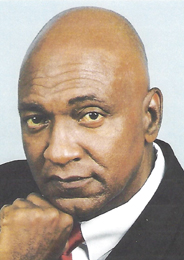
“If Robin Hood was called a folk hero because he robbed the rich and gave to the poor, what do you call governmental Officials who scheme and use political power to steal public funds?” John Johnson II 07/13/26
By John Johnson II
A kleptocracy is a system of government in which those holding political power use public office to enrich themselves, their political allies, and wealthy supporters rather than serving the public interest. The word originates from the Greek words klepto (to steal) and kratos (rule or power), meaning “rule by thieves.” Critics argue that when political influence becomes a commodity available primarily to the wealthy, democracy gradually begins to resemble a kleptocracy.
Where have you seen examples of kleptocrats’ behavior?
According to government watchdogs and political analysts, America has entered a troubling period in which democratic principles face dismantling by a political culture dominated by wealth, influence, and “pay-to-play” politics. They contend that powerful interests now exercise disproportionate influence over public policy while working Americans struggle with rising housing costs, stagnant wages, and declining economic security.
Was Robin Hood a thief, folk hero, or kleptocrat?
Journalists Andrea Fuller and David Yaffe-Bellany reported that President Trump’s recent financial disclosure revealed that he earned $2.2 billion in one year after returning to the White House. Subsequently, does this increase in wealth make him a financial genius, a 21st century folk hero, or a kleptocrat? The Art of the Deal engrained the public’s perception that he possessed the “Midas Touch.”
Critics point to the enormous role of campaign financing as one of the clearest examples. Billion-dollar corporations, wealthy donors, and political action committees contribute extraordinary sums to political campaigns seeking favorable legislation and government contracts. Recent scrutiny has also focused on cryptocurrency ventures connected to prominent political figures. Ethics experts have urged stronger transparency and disclosure requirements.
Another concern frequently raised involves appointing wealthy corporate executives to senior Cabinet and agency positions. Supporters argue these appointments bring valuable business experience to government.
Critics counter that they may create conflicts of interest by placing individuals in positions to oversee industries in which they previously worked or maintained financial relationships. They argue that such arrangements can benefit former colleagues and business associates through contracts, regulatory decisions, or favorable policy outcomes. Currently, 12 to 13 billionaires occupy key government positions making it the wealthiest administration in U.S. history.
The most alarming concern, according to critics, is the weakening of independent ethics enforcement. Inspectors general, ethics offices, whistleblower protections, and other oversight mechanisms exist to hold public officials accountable regardless of political party. When safeguards face elimination, or rejection, public confidence in government inevitably erodes.
Have the Republican-controlled Congress and MAGA followers turned a “blind eye” to alleged violations of the Constitution’s Emoluments Clause? If so, why?
Critics also argue that efforts promoted as “government efficiency” or “downsizing” can, in instances, replace experienced career civil servants with political loyalists. During the current administration, widely reported workforce reductions and reorganizations across portions of the federal government have prompted debate over whether such actions primarily increase political control over agencies traditionally staffed by nonpartisan professionals.
Whether America has truly become a kleptocracy remains fiercely contested. Yet the growing perception is that when wealth purchases influence ordinary citizens’ exclusion poses a profound challenge to democratic governance. If citizens lose confidence that government serves the public rather than the privileged few, the nation’s greatest danger may not be political disagreement itself, but the gradual erosion of trust upon which every constitutional democracy depends.
YOU ARE THE JUDGE!