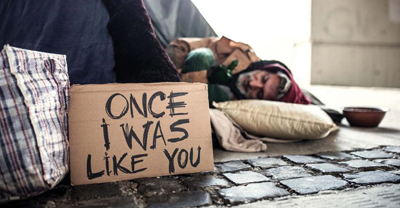
WASHINGTON, DC – Without proper resources, people experiencing homelessness can be exceptionally vulnerable to communicable diseases—including the current outbreak of coronavirus, COVID-19. The National Law Center on Homelessness & Poverty anticipates this virus to be not only a public health crisis, but also to direct attention to the safety and the rights of people lacking adequate housing and healthcare.
As we consider the threats to our own health, we must consider the needs of people experiencing homelessness during this crisis. Without accessible, permanent, and stable housing, people may lack access to water for handwashing, laundry facilities, and personal hygiene. Homelessness itself threatens the immune system: Sleep—if any—is cut short, nutrition is lacking, sanitation is scarce, and health and dental care are nonexistent or put off until too late for fear of medical bills that cannot be paid.
Responses to the current crisis must be guided by public health experts, with the needs of people experiencing homelessness in mind. We must not allow narratives created with prejudice against people experiencing homelessness to construct unnecessary public fear and justify the increase of the criminalization of homelessness.
“I am so worried about the potential impact of the corona-virus on people experiencing homelessness—not just because of the harm to people who are especially vulnerable, but also because of the very real potential for even more stigma and criminalization,” said Maria Foscarinis, Executive Director of the National Law Center on Homelessness & Poverty. “This crisis makes crystal clear that ensuring stable housing not helps the people most directly affected, it also benefits entire communities,” she added.
President Trump’s narrative about people experiencing homelessness—including claiming without evidence that police officers are getting sick from their interactions—is incredibly harmful, and his Administration has already considered policies that would raze homeless encampments and force people experiencing homelessness into mega-tent shelters, under the guise of public health and safety.
We fear that, with the wrong public information available, people experiencing homelessness may be criminalized and displaced—even though we know criminalization and sweeps can disrupt people’s access to social and health services, raising risks. Sweeping people experiencing homelessness into close, congregate facilities such as large-scale shelters is no solution. Instead, approaches could include temporary housing in hotels for the duration of the crisis—providing adequate sanitation while maintaining social distancing and having the benefit of supporting the hard-hit travel industry.
Alternatively, while encampments are not a long-term solution, preserving individuals’ ability to sleep in private tents instead of mass facilities through repealing—or at least pausing enforcement of—ordinances banning camping or sleeping in public would ensure people can more safely shelter in place, maintain social distancing, and reduce sleep deprivation. Encampments should be provided with preventative solutions—like mobile toilets, sanitation stations, and trash bins—to further reduce harm.
Treating people with respect and human dignity is essential in every health crisis—everyone deserves the human rights of health and housing. It is in the public’s best interest to address housing needs of this country, as housing is public health. Housing provides stability for a functioning immune system, the infrastructure for handwashing and sanitation, and the safety for rest, sleep, proper nutrition, and social distancing. Housing is a necessary step to mitigating coronavirus, and we must protect our unhoused neighbors as much as we protect ourselves.