
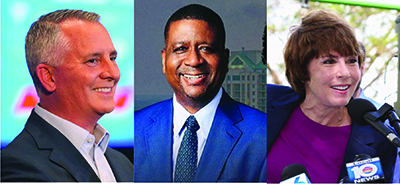
By Bobby R. Henry, Sr.
Florida’s 2026 gubernatorial race is beginning to take shape, and recent developments suggest that Democrat David Jolly is positioning his campaign to compete in every corner of the state.
Reports indicate that Jolly is preparing to announce former Congresswoman Gwen Graham as his choice for lieutenant governor. If confirmed, the move would bring together two well-known names in Florida politics and signal an effort to build a coalition that reaches beyond traditional party lines.
Graham, the daughter of former Florida Governor and U.S. Senator Bob Graham, carries a political legacy recognized by Democrats, independents, and many moderate Republicans. Her selection would likely appeal to voters seeking experience, stability, and a less divisive approach to governing.
At the same time, Jolly has strengthened his campaign team by bringing in influential Democratic strategist and attorney Sean Pittman as a campaign co-chair. Pittman is widely respected throughout Florida’s political circles and has long been viewed as one of the state’s most effective political organizers and fundraisers. His involvement signals that key Democratic leaders are beginning to rally around Jolly’s candidacy.
These moves come at a critical moment. With Orange County Mayor Jerry Demings no longer pursuing the governor’s race, many Democratic leaders are consolidating behind Jolly as the party’s most viable challenger to the Republican nominee.
The Republican field continues to be led by Congressman Byron Donalds, who enjoys the endorsement of President Donald Trump and remains a formidable candidate in a state that has leaned Republican in recent election cycles.
For African Americans and other communities that often feel overlooked during statewide campaigns, the emerging political landscape raises important questions. Will the candidates address economic inequality, educational opportunities, affordable housing, healthcare access, and criminal justice reform? Will they invest time and resources in communities that have historically been asked for votes but not always given a seat at the table?
The announcement of Gwen Graham and the involvement of Sean Pittman suggest that Jolly understands the importance of coalition-building. Whether that coalition ultimately includes strong engagement with Black voters, faith leaders, labor organizations, and grassroots activists remains to be seen.
One thing is certain: the race for Florida governor is entering a new phase. The decisions being made now are not simply about campaign strategy. They are about defining the future direction of Florida and determining which voices will be heard in the conversation.
As the campaign unfolds, voters should pay close attention—not only to who is joining each ticket, but to the issues being discussed and the communities being prioritized. Elections are won with endorsements and organization, but they are sustained by trust, vision, and a commitment to serve all Floridians.
The road to the Governor’s Mansion has begun, and Florida’s political landscape may be more competitive than many expected.