
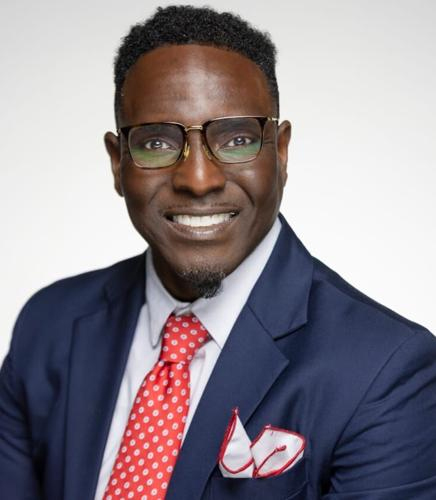
By Lixon Nelson
(Source: Miami Times)

Each May, during National Mental Health Awareness Month, we are encouraged to speak more openly about mental health. While that conversation is growing, many lived experiences remain overlooked, particularly at the intersection of disability, chronic illness and economic opportunity. I know this firsthand.
I was diagnosed with a learning disability early in life. Later, in college, I was diagnosed with Crohn’s disease, a chronic condition that reshaped how I managed my health, education and future. These experiences did more than challenge me physically and academically; they shaped my mental and emotional well-being in ways that are often hard to put into words.
Because for many people like me, mental health is not a separate issue. It is woven into everyday life. It shows up in classrooms where support is limited, and expectations are too often lowered. It shows up in workplaces where opportunities can feel just out of reach, not because of a lack of ability, but because of a lack of understanding. And it shows up in systems that too often overlook potential, especially for those living at the intersection of disability and cultural stigma.
In Black and Caribbean communities, these challenges can be even more complex. Mental health is still a conversation many families are just beginning to have. There is often stigma attached not only to mental health, but to disability, to asking for help, and to acknowledging struggle. Too many people are taught, directly or indirectly, to “push through” without the language, support or resources to do so in a healthy way.
But resilience is not just about pushing through. Resilience is shaped by the environment. It is shaped by access. It is shaped by whether people are seen, supported and given real opportunities to thrive.
ACES connects individuals with employment, training and support. Opportunity leads to better mental health.
When people feel valued, their confidence grows.
When people have a sense of purpose, their outlook on life shifts.
Employment gives dignity, belonging and value. It shows that you matter and can contribute.
Yet too often, we approach mental health in isolation, without addressing the broader systems that shape it. We talk about therapy, but not always about access. We talk about awareness, but not always about opportunity. We talk about resilience, but not always about the conditions people are expected to endure.
Mental health and economic empowerment are inextricable.
We cannot discuss healing without addressing access to education, jobs, healthcare and culturally competent support systems. Nor can we discuss equity without recognizing how deeply these issues are connected.
In communities like Miami, where cultures intersect and Black and Caribbean communities are vital to the fabric, these conversations demand immediate attention. Solutions must urgently reflect the lived experiences of those they are meant to serve.
We must act now by investing in community-based programs that meet people where they are. We need to rapidly expand employment pathways for individuals with disabilities and those facing systemic barriers. We must immediately normalize conversations about mental health within our families, schools and places of worship.
It also means representation. People need to see themselves in the conversations we are having, in the leadership shaping policy and in the solutions being created. They need to know that their experiences are valid and that their potential is real.
My journey has taught me that we are not defined by our diagnoses. We are defined by our ability to access opportunities, receive support and be recognized for our contributions.
This Mental Health Awareness Month, I urge us to broaden the conversation. Reach out to organizations that support mental health and disability, advocate for inclusive policies and foster dialogue within our communities. Take active steps to reduce stigma, improve access and create pathways to opportunity.
When we do, we help people build lives rooted in dignity, purpose and possibility.
Lixon Nelson is CEO and co-founder of Alliance Community and Employment Services (ACES), a South Florida-based organization dedicated to empowering individuals with disabilities and underserved populations through employment, training and support services. A Haitian American advocate and Disability Diplomat, Nelson works at the intersection of mental health, economic empowerment and community equity