
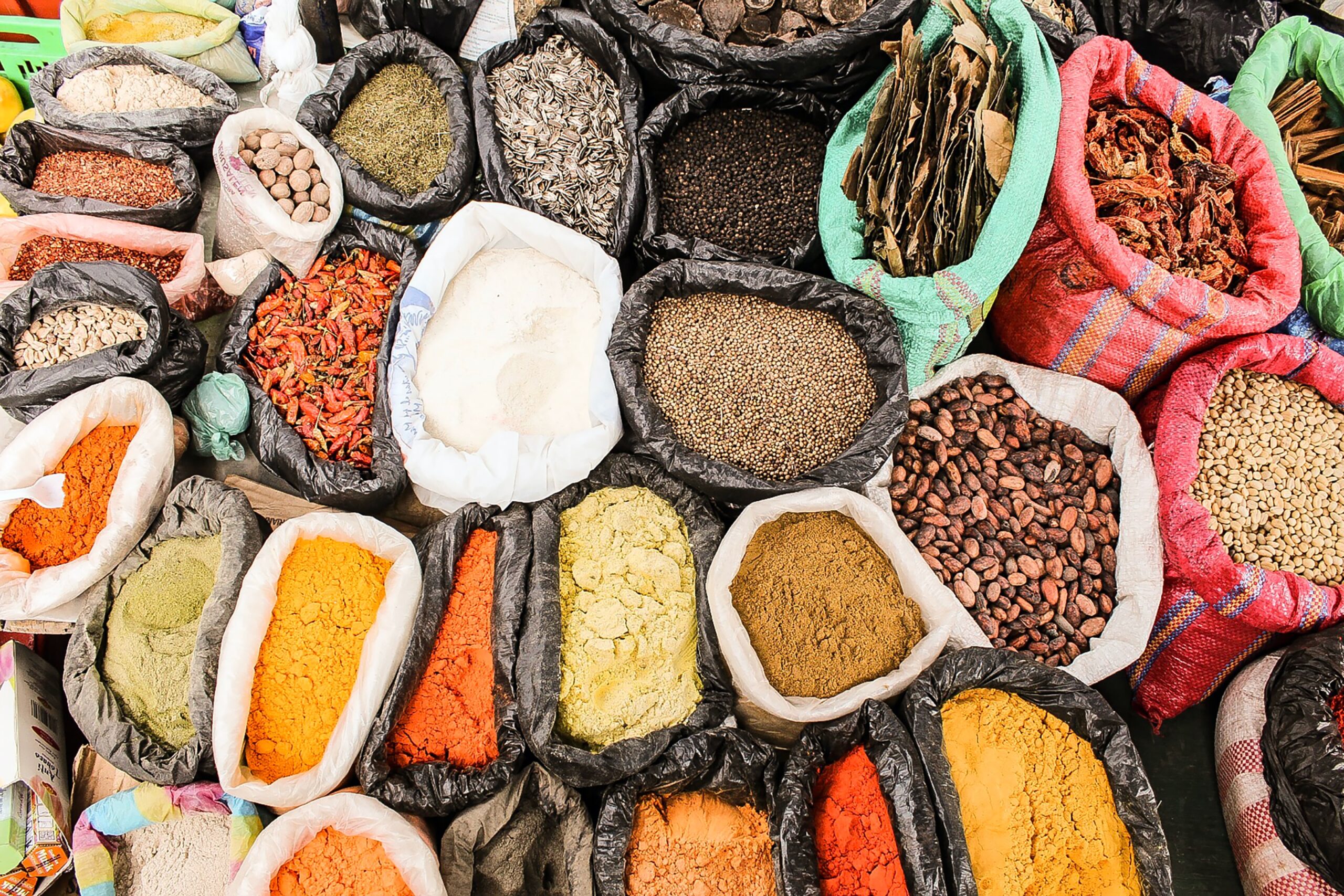
The smelly, acrid flavour in some Indian dishes is due to a unique spice — Asafetida — that is consumed aplenty in the country, but is not produced there.
Asafetida or “hing,” as it is commonly referred to, is a spice used across dishes, especially vegetarian ones, in India. Contrary to popular belief, however, the spice is not grown in India.
Currently, India imports about 1,200 tons of raw Asafetida worth $100 million from Afghanistan, Iran, Uzbekistan and Kazakhstan.
However, things are about to change.
Indian scientists have planted about 800 saplings of the plant in Lahaul and Spiti, one of the coldest regions in the Himalayan mountains range. The first batch was planted in Kwaring village in Lahaul.
The Centre for Scientific and Industrial Research (CSIR) and the Institute of Himalayan Bioresource Technology (IHBT) jointly began experimenting with Asafetida in 2018. The joint venture was able to procure quality seeds for the first time in 2018 from Iran.
“Apart from Himachal Pradesh, a northern Indian state, we think the climate in Uttarakhand and Ladakh would be conducive for growing Asafetida,” said Ashok Kumar, a scientist with CSIR-IHBT.
The institute will be planting Asafetida in the Kinnaur and Mandi districts of Himachal Pradesh.
Asafetida was one of the main industries in the northern state of Uttar Pradesh when India was under the British rule. However, it was only processed there and not cultivated.
As far as the Indian cuisine is concerned, Asafetida is used as an alternative to ginger and onion for its smell and taste. It also reduces the bloating sensation when one eats heavy foods like cabbage or lentils.
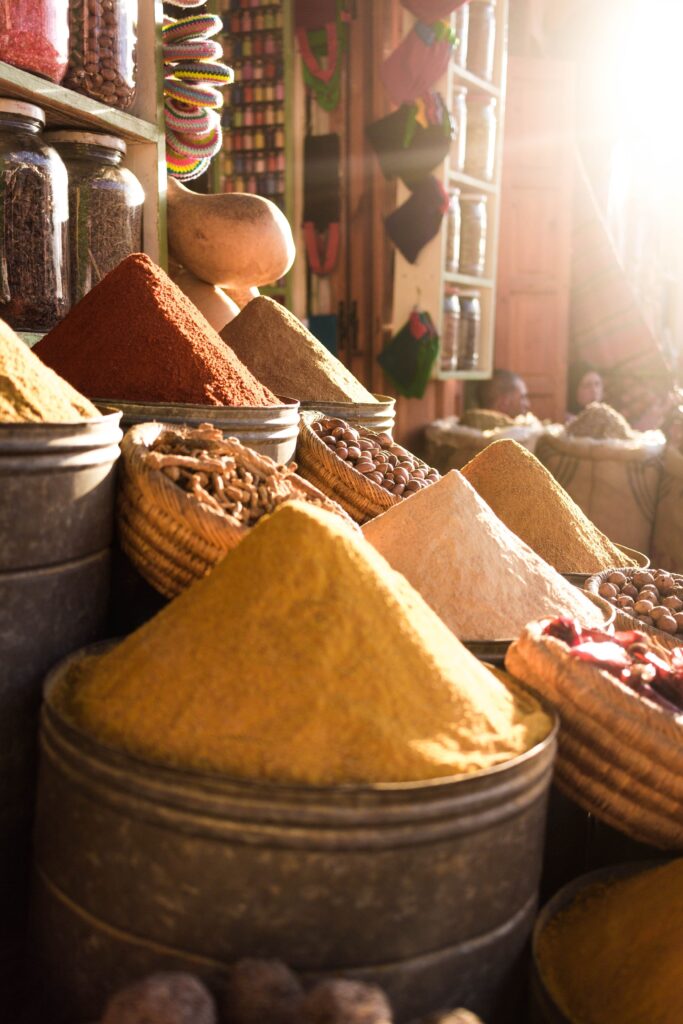
The spice used in the cuisine is made from the sap of the Asafetida plant. It is dried and powdered after which wheat powder is added make compounded “hing.”
While the spice is widely added Indian curries, it was also used by the Romans in their cuisine, mainly to marinate meat.
“The Romans came via the Hind Kush mountain range where they first found this,” said Marryam H Reshii, an independent food writer. “First, they thought it was Silphium. Later, they realized it was something very different. Silphium is a medicinal plant often used as a seasoning.”
However, there was no mention of its use by the Romans after the 16th century. Reshii said this spice is also used as an insecticide in Western European countries.
Historically, it is believed that Asafetida was brought to India as early as 600 BC. It could not be grown in the country as the climate was not conducive for cultivation. Asafetida requires a cold climate to grow but the dry soil, humid coastal areas and hot climate in most parts of India made it impossible to cultivate.
“Since Asafetida is a cold-climate crop, the seeds went dormant in our climate. They had to be regenerated for them to germinate,” said Vikramaditya Pandey, assistant director-general, Horticulture Sciences, at the Indian Council of Agricultural Research (ICAR). Pandey and his team, at the ICAR, tested the seeds for bugs and pests.
“One of the biggest challenges for us was to break the dormancy and get the seed to germinate. In the lab, the seeds took close to a month to germinate,” said Kumar.
Pandey believes the farmers in the area will play an important role once the plant grows and its cultivation is scaled up. This would take time as the seeds have to be tested to ascertain their growth capability.
One of the major hurdles for the researchers and farmers will the origin place of the seeds. The seeds, originating in Iran, and currently being used, have been procured from the National Bureau of Plant Genetic Resources.
This could be a pain point as Iranian Asafetida is not accepted in India as much as the one imported from Afghanistan.
“Iranian Asafetida is fruity while the Afghanistan Asafetida is pungent. The former is not used a lot in India because of its flavor. If the flavor of the Asafetida being grown here is Iranian, we might have to go back to the kind being imported from Afghanistan,” said Reshii.
“We also have to consider whether Asafetida will actually grow here. In Uzbekistan or Afghanistan, it grows in uninhabited places. The flavor it produces is also important. All these things need to be assessed before we celebrate,” she said.
The traders of Asafetida also agree with Reshii’s predictions.
“We will have to compare the price of the homegrown Asafetida with the imported one. The quality, too, has to also be assessed before buying it,” said Chandrasekhar, wholesale trader of Asafetida, who runs Highland Traders in Bengaluru
Most wholesalers such as Chandrasekhar import this spice from Kabul in Afghanistan. Chandrasekhar said whether this project would benefit traders like him or not can be assessed only after the plant matures in five years.
Reshii also feels that even if the plant grows, finding trained labor to collect the sap would be difficult.
“Collecting the sap cannot be done by just anyone. Laborers need to be trained to do it. Do we have people with that kind of expertise?” said Reshii.
Apart from being used as a condiment, Asafetida also has medicinal properties and is prescribed by Ayurveda doctors.
“A stomach ache can be cured in children by making a paste with Asafetida and rubbing it on the tummy,” said Dr. J S Tripathi, professor of Ayurveda at the Banaras Hindu University.
For doctors like Tripathi, the success of this experiment would mean that the spice would be easily accessible for treatment. For them, however, the country of origin of the seeds doesn’t matter.
“All we want is unadulterated Asafetida. If the cultivation becomes a success, it will help us,” Tripathi said. “If Asafetida is unadulterated, a little can cure a lot of digestion-related problems.”
(Edited by Uttaran Das Gupta and Gaurab Dasgupta)
The post India Attempts to Grow Its Favourite Smelly Spice — Asafetida appeared first on Zenger News.
