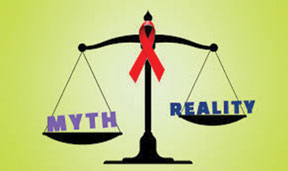
 7 Myths About HIV/AIDS
Many myths are still around about HIV and AIDS. Get the real story here — it can help you enjoy a full, healthy life.
Myth 1: Treating HIV will require me to take dozens of pills every day.
Fact: Years ago, people with HIV needed to take a lot of pills. Now, most people starting on HIV treatment only take 1 to 4 pills daily. You may be able to take medicines that combine 2 or 3 drugs in a single pill.
Myth 2: I can wait to start taking medicine for my HIV.
Fact: You probably need to start taking HIV meds right away. Your doctor will talk to you about taking drugs called “antiretroviral treatment.” They limit the level of HIV virus in your body. This helps protect your immune system and lowers the chance that you’ll pass the virus to others.
Myth 3: Because I have HIV, I’m going to develop AIDS.
Fact: It’s possible that you’ll develop AIDS, the disease that HIV causes. But it’s also possible you won’t. If you begin taking HIV drugs promptly, they can help protect you from advancing to AIDS for many years.
Myth 4: If I’m on medication, I can’t spread HIV through sex.
Fact: If you take your HIV drugs properly, over time the level of virus in your blood may fall so low that your doctor will call it “undetectable.” But the virus is still in your body. That means you still have a risk of passing the virus to a sex partner, so use protection.
Myth 5: I should avoid exercise since I have HIV.
Fact: Exercise is a good way to protect your health when you have HIV. It can: Prevent fatigue, Improve your appetite, Lower your stress, Maintain your muscles and Protect your bones Aim for 30 to 45 minutes of exercise a day. Get both aerobic and strength-training exercise.
Myth 6: I’m not going to live long enough to need to worry about other diseases.
Fact: Today, many people with HIV are living long lives. If you keep the virus under control with HIV medicine, you may live for many decades. But you may have a higher chance of problems including cancer, heart disease, and kidney dis-ease. So follow the usual steps for good health: Eat a healthy diet. Exercise. Don’t smoke.
Some HIV medicines have side effects that can cause weight loss, like diarrhea and nausea. Talk to your doctor (or a dietitian) about how to eat right and prevent weight loss. Also tell your doctor about any other medicines you’re taking and any other health problems you have. HIV drugs can change how your other medicines work. They can also make controlling other health problems, like diabetes, more difficult.
Myth 7: Now that I have HIV, I can’t have kids.
Fact: If you’re a man with HIV, you may still be able to safely father a child. If you’re a woman, you may still be able to safely become pregnant. Doctors can help you take steps to lower — or remove — the chance that you’ll pass the virus to your partner during conception. If you’re pregnant, your doctor may have you take certain HIV drugs that may help protect the baby. The baby may also be given medication after birth.