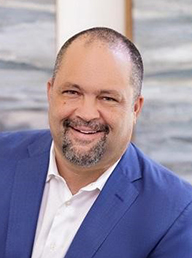
By Ben Jealous
As an organizer who’s spent much of my life fighting for civil rights and access to the ballot box, I reflect on the work and words of Dr. Martin Luther King Jr. often, not just around the federal holiday for his birthday.
Lately I’ve been thinking about a speech he gave in 1967 less than nine months before he was assassinated in which he expounded on racism, excessive materialism, and militarism – what he called “a triple prong sickness that has been lurking within our body politic from its very beginning.”
In describing how those three evils crush opportunity for people in this country and abroad, Dr. King exposed the destructive ideas that have subsidized the American Experiment – that groups of people were disposable and that our wilderness was just as disposable. As a nation, we’re still dealing with the cost of that destruction of people and of forests, rivers, and air that was accepted for most of our history.
What we call the environmental movement today was just emerging in 1967 (the first Earth Day was still three years away). It’s not hard to imagine Dr. King would mention the threat to a livable planet if he spoke today, perhaps substituting the climate crisis for the existential threat of nuclear war.
We shouldn’t be surprised that poor communities are poisoned communities. Dr. King identified the roots as structural, not simply ill will, saying that “for the good of America, it is necessary to refute the idea that the dominant ideology in our country, even today, is freedom and equality while racism is just an occasional departure from the norm.”
It’s time we act on that idea and that we discard that flawed either/or idea that prosperity for some demands poverty for others meant to divide poor and working-class people since colonial times. Poverty is what drives environmental destruction. But we can both create more jobs for people who have been starved for jobs and save the planet.
Clean technology can sustain a clean economy that leaves no one out. The federal government has made a once-in-a-generation investment in infrastructure and jobs that has environmental repair and renewal at its core. Dr. King, no doubt, would point out that even at its historic level, that spending over the next decade will be less than a tenth of what will be spent by the Defense Department.
He also gave us a clear warning in his speech that the fight for what’s right doesn’t end with a budget appropriation: “Even when the people persist and in the face of great obstacles, develop indigenous leadership and self-help approaches to their problems and finally tread the forest of bureaucracy to obtain existing government funds, the corrupt political order seeks to crush even this beginning of hope.” In every state, county, and community we must prepare to stand firm together against those self-interested few who surely will work to undercut efforts to move away from fossil fuels and will defend practices that destroy our wild places.
The health of the planet will determine our shared fate, the “inescapable network of mutuality” Dr. King described writing years earlier from the Birmingham jail. What affects some directly affects all of us – no one, no place is disposable. We have the chance now to mend the fraying and tears in that “single garment of destiny” he wrote of. Let’s join together to be good tailors.