
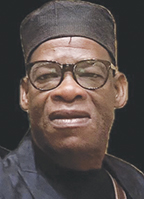
By Lt. Ken Roland
Fort Lauderdale, FL February 2025
As Miami’s waterfront transforms into an exclusive playground for billionaires, many millionaires are migrating north to Fort Lauderdale, drawn by its luxury real estate, growing economy, and vibrant cultural scene. Over 2,500 millionaires now call Fort Lauderdale home, creating a unique opportunity: What if these wealthy individuals turned their attention to the city’s historically underserved neighborhoods?
Imagine if each millionaire adopted a single street in the struggling Northwest area and funded scholarships for every resident. For many families, the cost of higher education is an insurmountable barrier, trapping generations in a cycle of poverty. A single millionaire’ s commitment could fund dozens of students college tuition, leading to better job opportunities and economic mobility for entire communities.
A Tax-Friendly Solution to Economic Disparity
Philanthropy isn’t just a moral good; it’s also a smart financial move. Charitable donations, including scholarship funds and business grants, are tax-deductible. For Fort Lauderdale’s wealthy elite, investing in these communities wouldn’t significantly impact their lifestyle, but it could transform lives.
Beyond scholarships, these millionaires could take a more entrepreneurial approach. What if they funded startup businesses in the area, offering seed capital to aspiring entrepreneurs? Local residents with ideas for restaurants, retail stores, or tech startups often lack access to funding. A small-business grant could create jobs, encourage innovation, and foster economic independence.
Real estate moguls in the city could also play a role by launching affordable housing projects or mixed-use developments that integrate commercial spaces with community services. Instead of pushing out lower-income residents through gentrification, they could invest in uplifting these communities, ensuring long-term economic growth for all.
A Blueprint for Sustainable Impact
Programs like these have already been proven successful elsewhere. In Atlanta, rapper and entrepreneur Killer Mike helped launch Greenwood, a financial institution designed to empower Black and Latino business owners. In Chicago, former NBA star Derrick Rose created the Rose Scholars program to provide college funding for students in need. Fort Lauderdale’s millionaires could replicate and expand upon these models, making the city a national leader in wealth-driven community investment.
With more than 2,500 millionaires in Fort Lauderdale, the impact of such an initiative could be staggering. If even a fraction of them committed to adopting a single street whether through scholarships, business investments, or affordable housing the economic landscape of the Northwest area could change dramatically within a decade.
As Fort Lauderdale continues to attract the wealthy, the question remains: Will these millionaires choose to simply enjoy the city’s luxury, or will they step up and reshape its future?
