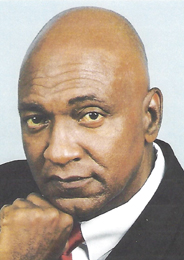
“Turning a “blind eye” and remaining silent as America’s safeguards are dismantled, ensures democracy of a nuclear like meltdown.” John Johnson II 06/16/26
By John Johnson II
A nuclear reactor produces power only because its most dangerous forces are never allowed to run wild. Control rods slow the chain reaction. Cooling systems remove heat. Containment structures help trap radioactive material. Backup systems stand ready if one safeguard fails. The reactor is not safe because its fuel is harmless. It is safe because danger is separated, cooled, restrained, and monitored.
When those protections fail, catastrophe follows. The 1986 Chernobyl disaster remains history’s brutal warning. Design flaws, human error, and failed safety procedures helped trigger explosions and fires that released radioactive material across parts of Europe. The lesson was not subtle: when powerful forces lose containment, the damage can poison generations.
America’s constitutional system was built on the same principle. The Founders understood that political power, like nuclear energy, can serve society only when controlled. They divided government into three branches because they feared concentrated authority. Congress would make laws and control spending. The President would execute the laws. The courts would interpret the laws. Each branch was designed to check the others.
The Founders did not build democracy on trust. They built it on restraint.
Today, critics argue that America’s constitutional reactor is flashing warning lights. They contend that the Supreme Court has weakened the Founders’ safeguards by expanding presidential immunity and narrowing the practical reach of accountability. Critics call it a dangerous shield around presidential power.
Justice Sonia Sotomayor’s dissent warned that the decision risks placing the President beyond ordinary criminal accountability for official conduct. Whether one agrees or disagrees, the ruling has intensified fears that one of democracy’s containment walls has been cracked.
Critics also accuse a Republican-controlled Congress of surrendering its constitutional role. Congress holds the power of the purse. Congress holds oversight authority. Congress can investigate, subpoena, impeach, and restrain executive overreach. Yet critics argue that partisan loyalty has too often replaced institutional courage. When lawmakers defend a president before defending the Constitution, the legislative control rods are being pulled from the reactor.
The executive branch, under presidential leadership, has also faced serious allegations of testing constitutional boundaries. Critics have pointed to disputes over election integrity, federal spending, executive orders, emergency powers, law enforcement independence, and refusal to accept institutional limits. These allegations remain debated in courts, Congress, and public opinion. Still, the concern is chilling: if a president treats restraint as weakness, oversight as betrayal, and accountability as persecution, democracy begins to overheat.
This is how constitutional meltdown begins—not with one explosion, but with one safeguard after another being disabled. A Court grows permissive. A Congress grows submissive. Executive growth grows aggressively. Voters grow silent. And suddenly, the system designed to prevent tyranny begins producing it.
Republican and MAGA voters should understand this warning most clearly. If power can be concentrated for a leader they support today, it can be concentrated for a leader they fear tomorrow. Constitutional safeguards do not protect one party. They protect everyone from political radiation.
America is not yet Chernobyl. But no nation should wait for the blast before repairing the reactor. Democracy survives only when power remains separated, cooled, restrained, and contained.
YOU ARE THE JUDGE!