
AFRO-AMERICAN – WASHINGTON — THE AFRO — “The white artists in the first generations of rock and roll would acknowledge where their music was coming from. They would talk about the fact that they were being influenced by Black American music,” said Maureen Mahon, professor of music at New York University (NYU). “But the people who were writing about it or retelling the story didn’t make that the focus. The emphasis was on the white artists.”
By Megan Sayles | AFRO Staff Writer
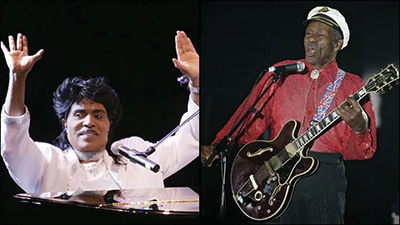
Though mainstream narratives of rock and roll music often spotlight artists like Elvis Presley and Buddy Holly, the genre traces its roots to rhythm and blues music created and performed by African American artists. From Bo Diddley, Big Mama Thornton and Little Richard to Chuck Berry and Fats Domino, Black artists laid the foundation for the heavy drum beats, electric guitar riffs and rebellious, youth-centered lyrics that would come to define rock and roll.
Maureen Mahon, professor of music at New York University (NYU), said that while rhythm and blues music was generally performed by and targeted to African Americans in the 1950s, some radio stations noticed its appeal to white young people and quickly capitalized on it.
“Everything else in the United States at the time was very segregated. But it was possible for people to listen to the radio across racial lines, and that’s what started to happen,” said Mahon. “White teenagers were also listening to this music even though the shows were targeted toward Black audiences. The people who were creating these records recognized that there was a potential audience they hadn’t really considered for this music.”
By the mid 1950s, Mahon said record labels began signing white artists who were heavily inspired by Black pioneers. It was during this period that the term “rock and roll” gained prominence, and perceptions of who the music was for—both as performers and as audiences— began to change.
“The white artists in the first generations of rock and roll would acknowledge where their music was coming from. They would talk about the fact that they were being influenced by Black American music,” said Mahon. “But the people who were writing about it or retelling the story didn’t make that the focus. The emphasis was on the white artists.”
Despite the genre’s draw among all young listeners, regardless of race, Mahon said American society tended to view rock and roll through a racial binary, overlooking its origins in Black music once it became associated with white artists and audiences.
Still, Black artists continue to make their mark on rock and roll—now more commonly referred to as rock music—today. According to Mahon, this is in part because there is less resistance to their participation in the genre and greater public awareness of its Black roots through documentaries and online platforms.
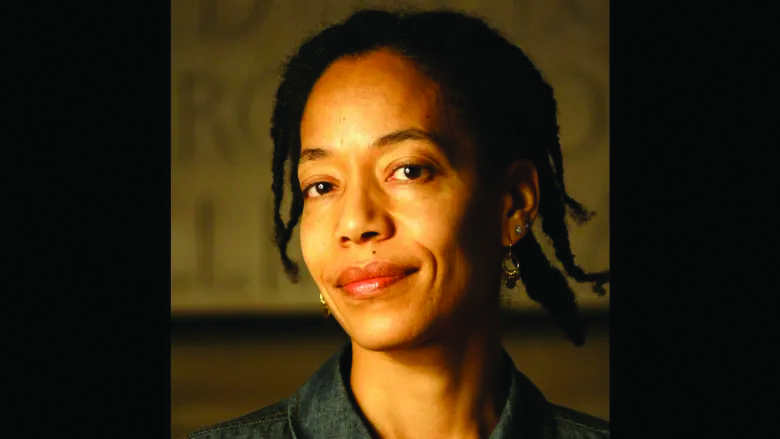
Maureen Mahon is a professor of music at New York University (NYU). She specializes in the history of rock and roll music and the construction of race and gender in music. Credit: Photo courtesy of NYU
She pointed to artists, like Brittany Howard and Gary Clark Jr., who draw from blues-based traditions often associated with rock and roll, as well as Beyoncé, who has incorporated rock influences and highlighted Black contributions to rock and country music in recent projects.
Building on that idea of genre fluidity, music executive Bill Stephney, the first president of Def Jam Recordings, pointed to how rock has long overlapped with other styles, including hip hop.
“Early in my days at Def Jam, Run-DMC were referred to as the ‘Kings of Rock,’ even though they were rappers,” said Stephney. “Their probably most prominent video and song was a cover of the old Aerosmith classic, ‘Walk This Way.’”
In 1986, the music video debuted and featured a collaboration between Run-DMC and Aerosmith. Stephney said it quickly became a staple on then-Music Television, which would later become MTV. It also visually reinforced the blurring of perceived boundaries between hip-hop and rock.
“The video highlights a wall that is broken down between the two bands. It’s quite literal,” said Stephney. “Then at the end of the video, they come together and they perform the song.”
Even with more artists experimenting with genre blending, Stephney said he’s concerned today’s young listeners are increasingly exposed to a narrower range of music, which has been fueled by the age of streaming.
Stephney said that stands in contrast to earlier eras, when radio and shared listening spaces exposed audiences to a broader, less-segmented range of music.
“I’ll find a young person who hasn’t listened to the incredible legacy of music that came before them, which I think limits their capacity for expression,” said Stephney. “There have been too many borders created over the course of the past two decades, when it should be as open as it was 60 to 70 years ago.”
The post How Black artists shaped rock and roll—and how that story was reframed appeared first on AFRO American Newspapers.
