Close Menu
The Westside GazetteThe Westside Gazette
    Facebook X (Twitter) Instagram
    • About Us
    • Contact
    • Media Kit
    • Political Rate Sheet
    • Links
      • NNPA Links
      • Archives
    • SUBMIT YOUR VIDEO
    Facebook X (Twitter) Instagram
    The Westside GazetteThe Westside Gazette
    Advertise With Us
    • Home
    • News
      • National
      • Local
      • International
      • Business
      • Releases
    • Entertainment
      • Photo Gallery
      • Arts
    • Politics
    • OP-ED
      • Opinions
      • Editorials
      • Black History
    • Lifestyle
      • Health
      • HIV/AIDS Supplements
      • Advice
      • Religion
      • Obituaries
    • Sports
      • Local
      • National Sports
    • Podcast and Livestreams
      • Just A Lil Bit
      • Two Minute Warning Series
    The Westside GazetteThe Westside Gazette
    You are at:Home » A 125-Million-Year-Old Mayfly Fossil Found In Brazil
    News

    A 125-Million-Year-Old Mayfly Fossil Found In Brazil

    November 10, 20203 Mins Read44 Views
    Facebook Twitter Pinterest Telegram LinkedIn Tumblr Email Reddit
    Share
    Facebook Twitter LinkedIn Pinterest WhatsApp Email
    Advertisement

    ARARIPE BASIN, Brazil—A prehistoric mayfly thought to have a lifespan of days or minutes has managed to survive as a fossil for up to 125 million years.

    University researchers found the fossil in Brazil’s Crato Formation, an Early Cretaceous geologic formation located in the Araripe Basin, an 8,000-square kilometers (roughly 3,100 square miles) rift basin in the country’s northeast.

    The researchers, from the Federal University of Espirito Santo, the Regional University of Cariri and the Federal University of Vicosa, published their findings in an Oct. 28 press release.
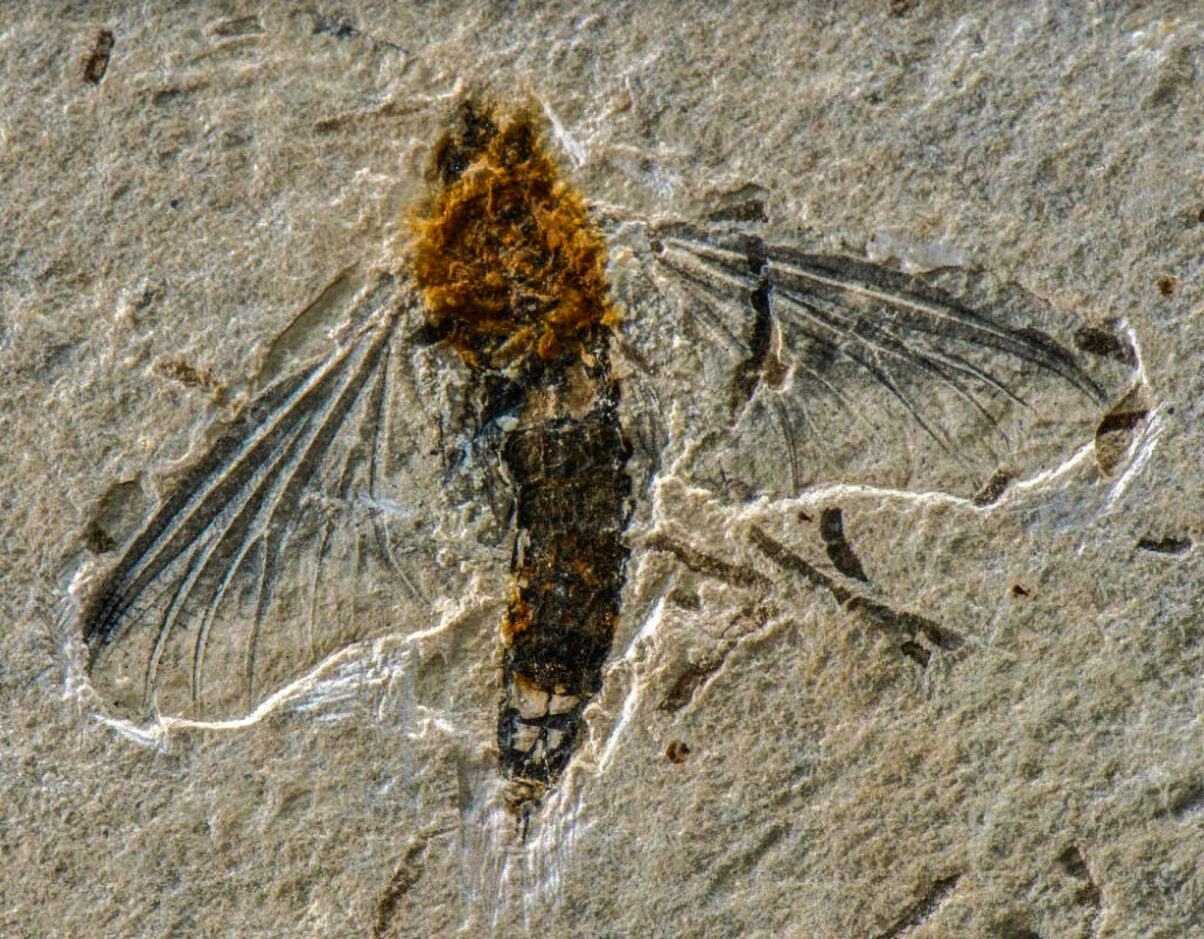
    Researchers from the Federal University of Espirito Santo (UFES), Regional University of Cariri (URCA) and the Federal University of Vicosa, found this 125- million-year-old flying insect fossil in Brazil, considered to be the second adult fossil of the ‘Oligoneuriidae’ family, a type of mayfly. (Federal University of Vicosa/Newsflash)

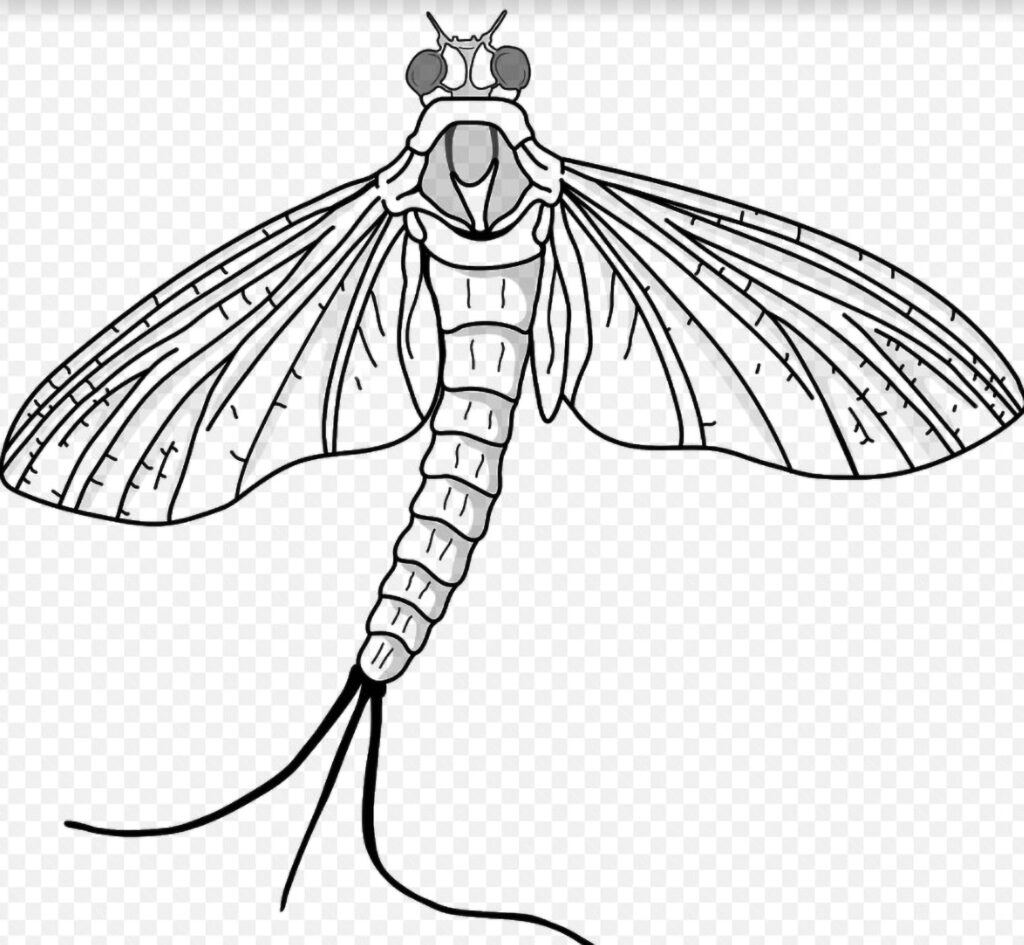
    The fossil they collected belongs to the order Ephemeroptera, making it a type of mayfly. During their larval stage, these flying insects are aquatic.

    There are more than 3,000 species of mayfly worldwide. They are grouped into over 400 genera in 42 families.

    The Brazilian paleontologists found the fossil of an adult insect they claim is a new species, genus and subfamily. The rock it was found in dates from the Early Cretaceous period, between 113 and 125 million years ago, when Africa and South America were still separating from Pangea.

    The fossil has been classed as belonging to the Oligoneuriidae family of brushleg mayflies. It has been named Incogemina nubila, which means “incomplete gemination” in Latin, referring to the pattern of the veins in its wings. The term ‘”nubila” means cloudy, after the grayish color of the limestone in which the fossil was preserved.

    Fossils of the order Ephemeroptera are common in the Crato Formation. However, those from the family Oligoneuriidae are rare. In fact, it is only the second fossil found in the world of an adult from this family.

    “The place where the Incogemina nubila was found [means] it’s possible to plan collections in order to retrieve more fossils of this rare species,” paleontologist Taissa Radrigues said.

    The team hopes the find will aid in discovering new information about how mayflies evolved.
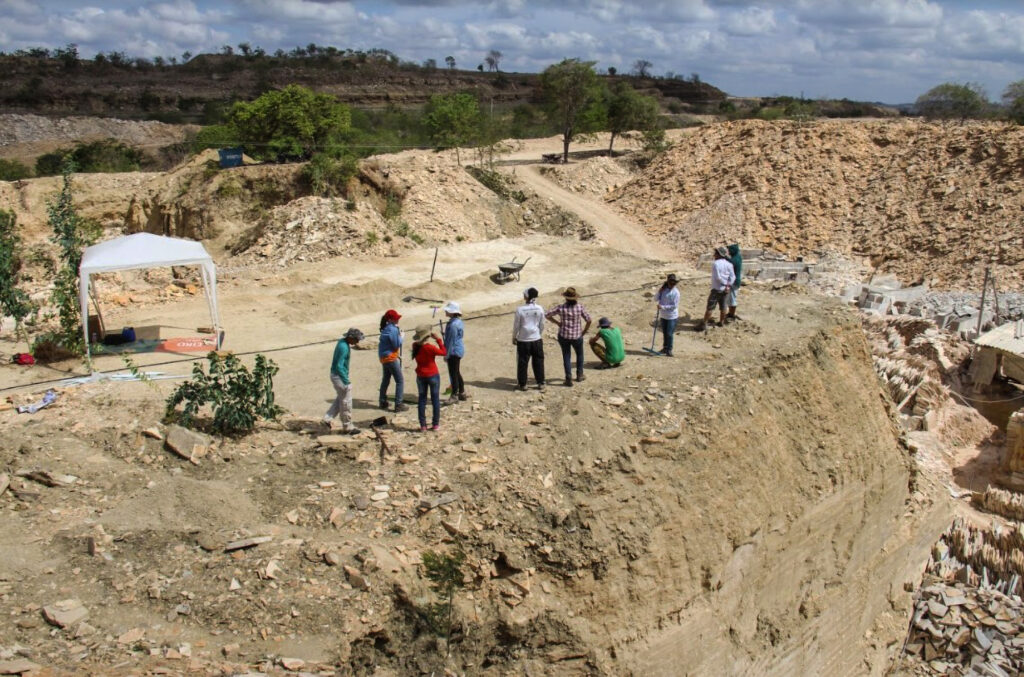
    Researchers from the Federal University of Espirito Santo (UFES), Regional University of Cariri (URCA) and the Federal University of Vicosa, found the 125-million-year-old flying insect fossil in the Crato Formation. (Federal University of Vicosa/Newsflash)

    Like their ancestors, today’s mayflies are relatively small. But present-day mayflies make a sizable contribution to the world in various ways, including a central role in the sport of fly-fishing.

    “Both nymphal and adult mayflies are an important food source for economically important sportfish, such as trout and salmon,” a recent report on mayflies’ ecological and economic impacts found. “Many sport fishers are highly skilled at tying mayfly ‘flies’ as lures for use in fishing.” The more realistic the lure, the greater chance of success.

    (Edited by Fern Siegel and Matthew Hall)


    The post A 125-Million-Year-Old Mayfly Fossil Found In Brazil appeared first on Zenger News.

    Share. Facebook Twitter Pinterest LinkedIn Reddit WhatsApp Telegram Email
    info@zenger.news'
    zenger.news
    • Website

    Related Posts

    We Must Work Together to Solve Our Waste Crisis in Broward County

    July 2, 2026

    Fort Lauderdale Rolls Out New Group Violence Intervention Plan to Cut Gun Violence

    June 26, 2026

    The Blueprint of Manipulation: How Jeffrey Epstein’s Power Network Conditioned it’s Victims

    November 17, 2025

    (Please enter your Payment methods data on the settings pages.)
    Advertisement

    View Our E-Editon

    Advertisement

    –>

    Advertisement
    Advertisement
    advertisement

    Advertisement

    –>

    The Westside Gazette
    Facebook X (Twitter) Instagram Pinterest
    © 2026 The Westside Gazette - Site Designed by No Regret Media.

    Type above and press Enter to search. Press Esc to cancel.

    Go to mobile version