
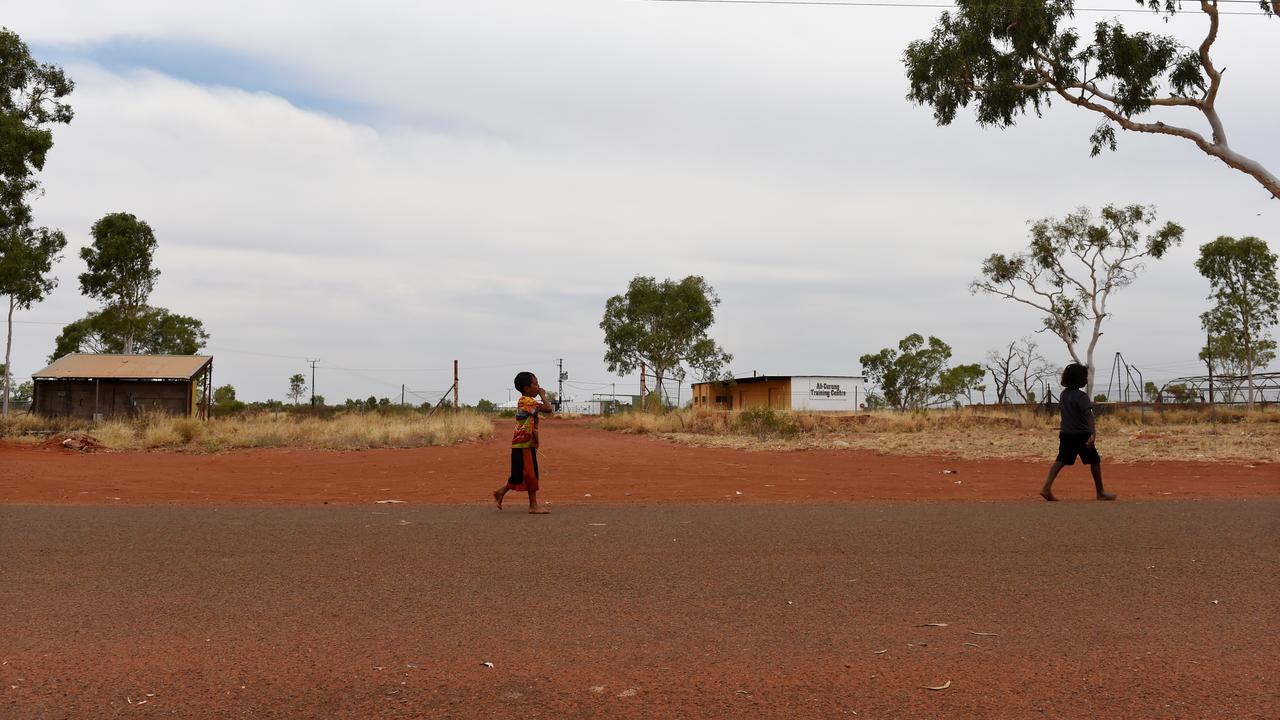
CANBERRA, Australia — National Disability Insurance Scheme services are “thin on the ground” in remote Australia, and First Nations people continue to experience disability at significantly higher rates, a Royal Commission has heard.
Just under 45 percent of National Disability Insurance Scheme plans are “under-utilized” in remote and very remote locations, the Northern Territory Disability Advocacy Collective said to Disability Royal Commission.
It was one of more than 20 responses to the inquiry’s First Nations issues paper detailed in the summary report published on August 3.
More than half referenced the National Disability Insurance Scheme, raising concerns including complex application processes, inadequate funding for remote service delivery, and an overall lack of cultural capability.
“Services are thin on the ground or non-existent in remote and very remote communities,” the Northern Territory Office of the Public Guardian said the commission in its response.
“Limited services in rural and remote areas sometimes meant a choice between a single provider or no service at all,” National Disability Services said.
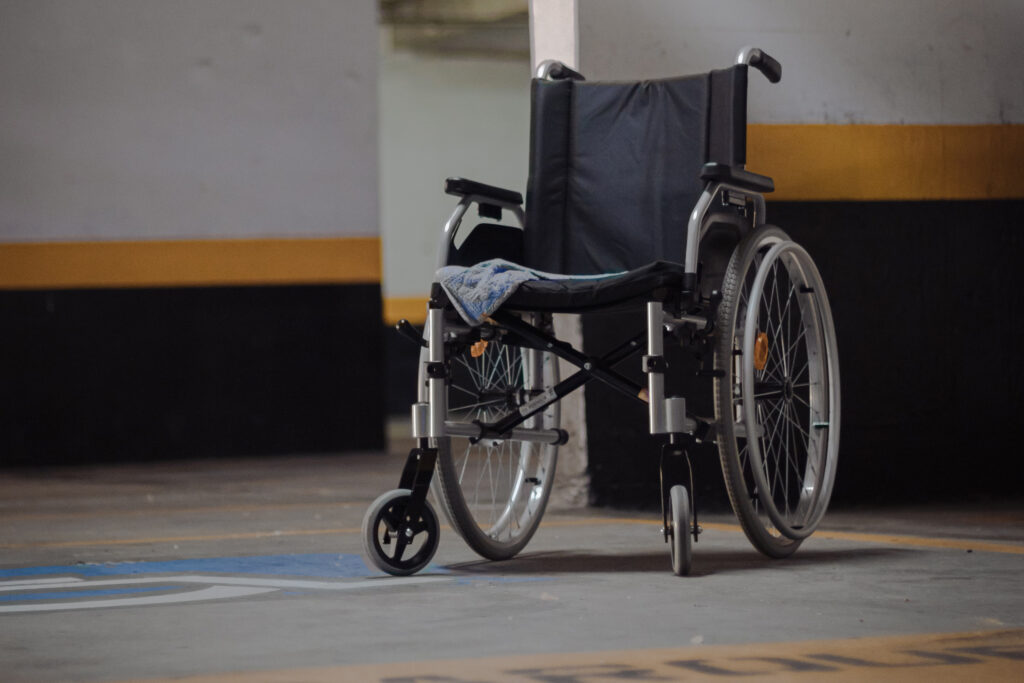
“In many remote areas, a single service provider may be responsible for a range of different services and supports; meals-on-wheels, night patrol, aged care services, after school program and disability support services.”
Organizations also highlighted the rate at which First Nations people experience disability, with Vision Australia reporting blindness and vision loss was experienced at more than three times the rate of other Australians.
First Nations Children are twice as likely to experience disability compared with non-First Nations children, Queensland Aboriginal and Torres Strait Islander Child Protection Peak said.
The “continuous inquiry loop” that produced recommendations routinely ignored by governments was also leading to fatigue among First Nations people, the inquiry was told.
“Successive governments have failed to act on the recommendations from numerous reports, inquiries, and royal commissions,” the Uniting Aboriginal and Islander Christian Congress said.
The Disability Royal Commission released the First Nations issue paper in July last year.
38 percent of the First Nations people experience disability, in comparison to 18 percent of the general Australian population, according to a Royal Commission into Violence, Abuse, Neglect, and Exploitation of People With Disability.
15,100 indigenous adults with disabilities are estimated to have faced violence, which accounts for six percent of such population.
22 percent of First Nations children or 328,000 children have some form of disability.
While, on the one hand, First Nations people have strong connections with their families and community, they are much more likely to go to jail than an average general Australian. There’s a massively skewed overrepresentation of people from the community in prisons; 28 percent of prisoners are First Nations people, while they only make up three percent of the total population.
Edited by Saptak Datta and Krishna Kakani
The post Disability Insurance Scheme “Thin On The Ground” In Remote Australia appeared first on Zenger News.
