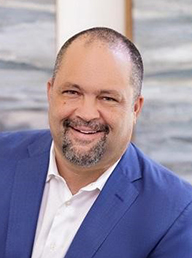
By Ben Jealous
The racial divisions that have split our country for centuries don’t just live in people’s hearts and heads. Some of them exist in concrete and pavement running right through certain neighborhoods. They are structural racism in the most tangible sense.
In Milwaukee last month, local activists told me about their fight against that kind of division. Wisconsin’s transportation department wants to expand a crumbling 3.5-mile stretch of Interstate 94 running through the state’s largest city at a cost of $1.2 billion and about 49 acres of land in the neighborhoods adjoining the roadway.
Like Overton in Miami, East Los Angeles and West Montgomery, Ala., those neighborhoods, home to poor black and brown residents, were subdivided 60 years ago when I-94 was built. The highway continues to cut them off today.
It’s disingenuous to make plans today that don’t consider the history of these highways in places like Milwaukee. The cost to locate interstates, built as courts were ordering desegregation of public schools and housing, was borne by communities of color whose residents were barred from home loans that would have let them move to suburbs that got disproportionate benefit from faster commutes. Planners used code words like blight, renewal, and efficiency to confuse that reality.
A highway project like this creates an actual intersection between creating more equitable communities and protecting the planet. Public works projects that encourage more traffic increase air pollution that impacts our climate, increase noise pollution, and add to flooding and contaminated run-off that damage swimmable, fishable rivers. Those who live closest breathe the most exhaust and live with the constant drone of traffic, but the environmental impact unquestionably stretches far wider.
The estimated cost of expanding I-94 is about $40 million more than fixing the existing six lanes. That’s the same amount that a 50 percent cut in the current state budget cost mass transit systems in Madison and Milwaukee. Most Milwaukee mass transit riders are workers riding to a job or the disabled and seniors who no longer drive. While Black and brown riders make up a disproportionate share of the total, most riders are white.
When we see these fabricated divisions, the question we should ask is who benefits from creating them? We know from troubling experience that the self-interested find ways to separate us even when our interests are the same. Who benefits from a wider interstate? It’s clearly not its neighbors. Not the Milwaukee City Council who opposed the plan. Not drivers today or in years to come as updating the current highway without adding lanes will improve safety and reduce congestion. And not millennials that Wisconsin has spent millions to retain and attract who say they want to live in places that don’t demand driving.
A local issue like this one in Wisconsin matters even if you live three states away because one like it may be coming to where you live soon. We’re on the cusp of many more in every state. Historic federal funding in 2021 and 2022 to repair infrastructure and invest in a cleaner economy must be spent place by place. We need to follow the example of the folks I met in Milwaukee – stay vigilant, never assume that decisions will be made in the best interest of everyone or the planet, build the biggest coalitions we can, and hold officials accountable when we vote.
Ben Jealous is the incoming executive director of the Sierra Club, the oldest and most influential grassroots environmental organization in the country. He is a professor of practice at the University of Pennsylvania and author of “Never Forget Our People Were Always Free,” published in January.