From sleep science to cancer research, their work is shaping care in South Florida and beyond
By Elisabeth Campbell, Miami Times Staff Writer
(Source: The Miami Times)
This past April, The Miami Times reported worsening health outcomes for Black communities as two Florida health plans near their end. With both plans experiencing setbacks due to structural, political and funding challenges, research on the community level has become increasingly important.
For South Floridians, one of the hubs for disparity research is right in our backyard. At the University of Miami Miller School of Medicine, significant advances are being made to mitigate the racial disparities in health care through research and community engagement.
Dr. Judite Blanc is currently a research associate professor at the Miller School of Medicine. She created a lab known as the Holistic Families Lab, which is attached to the Center on Translational Sleep and Circadian Sciences within the Department of Psychiatry and Behavioral Sciences. The goal of the lab is to leverage innovative, ethnographic tools to tackle unique stress responses among underserved families, particularly in women and children.
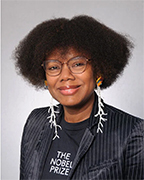
With a background in global health, Blanc’s focus is on minority populations within the U.S., including the immigrant Haitian population and other diverse Black communities.
Currently, Blanc is the principal investigator for the Realist Women’s Study, a National Institutes of Health-funded clinical trial in which she is testing the feasibility of virtual reality-based stress intervention for Black women with hypertension. She is also building an immersive virtual reality for stress reduction and communication conflict resolution among families that are separated.
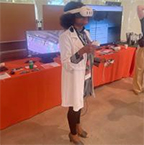
“I realized that the data was scarce when it comes to social determinants of mental health, particularly among minority populations,” said Blanc. “Therefore, I wanted to advance data not only on the impact of social structure and historical oppression on people of African descent but also develop culturally tailored intervention to tackle those racial health disparities.”
As a result of historical oppression, many Western research methods arise from a Eurocentric, male perspective. There is a lack of culturally tailored and culturally responsive research, as well as a coherent conceptualization of mental health among people of African descent.
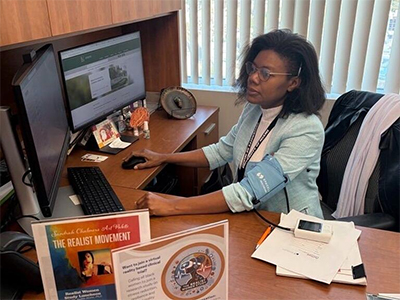
Blanc approaches her work through a biopsychosocial lens — not only considering individual personality and ability but also conceiving mental health as something that is interconnected to the body, social context and history.
“All my research is conceptualized from an intersectional standpoint,” said Blanc. “Whatever research question that I am exploring, or whatever research project intervention that I am conceiving, I design it from the perspective of your multiple identities, such as your gender, your sex assigned at birth, your class, your age and your immigrant status.”
One of her mentors, Dr. Girardin Jean-Louis, is the director of the Center on Translational Sleep and Circadian Sciences. As a professor of psychiatry and neurology at the Miller School of Medicine, much of his research also addresses the psychosocial and environmental determinants of health preventing access to necessary care in communities disproportionately burdened by cardiovascular and cerebrovascular diseases.
A pioneer in the sleep equity field, Jean-Louis has led research that identified the role sleep plays in cardiovascular disease, dementia and various cancers.
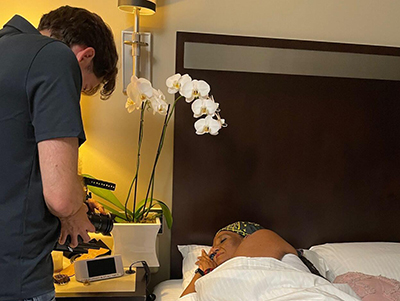
“In our own centers, we have multiple verticals,” said Jean-Louis. “Research is one. Another one is community engagement. We built a structure that allows us to bring all of the equipment we have in our lab to the homes.”
Another important part of Jean-Louis’ work is education and training. He has led a training program for the last 25 years, instructing students to focus on understanding and addressing disparities in health. Light exposure, noise pollution and air quality are all considered social determinants of health, while ZIP code is considered a predictor of certain diseases.
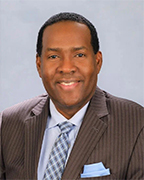
Jean-Louis emphasizes the need for equity and parity among all communities in America, with the north star being the Healthy People 2030 initiative, instituted by the U.S. Department of Health and Human Services (HHS) in August 2020.
“I think Healthy People 2030 gives us a roadmap to [lessen disparities],” said Jean-Louis. “It has significant mandates in terms of what we have to do. ‘Disparity’ and ‘equity’ are words that scientists are not really using, at least for now, in the current zeitgeist. But that’s going to change.”
Recent cuts in NIH funding have impacted the work, but Jean-Louis has seen the community rise to the challenge of supporting scientific research. He is optimistic about progress because of the direct engagement he sees from outside of the immediate scientific community.
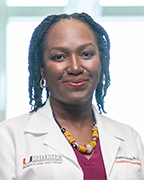
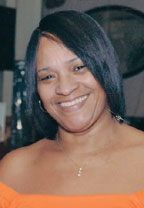
Another scientist on the forefront of cutting-edge research is Dr. Sophia George, an associate professor in the Division of Gynecological Oncology within the Department of Obstetrics and Gynecology at the Miller School of Medicine. Her work, especially within the Bahamian and broader Caribbean community, has changed cancer care on a national level. Her interests lie in translational science, moving research from the lab into the lives of South Floridians.
“[Community work] is essential,” said George. “The joy that I have is to be able to communicate back and work with my community partners to translate what we’re finding, and to have them participate, work with us, contribute and benefit from the work that’s being done.”
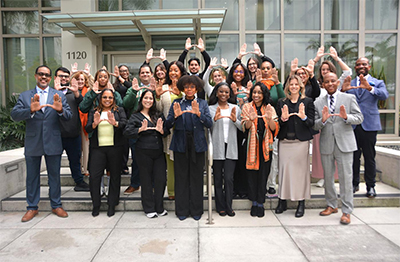
Awareness is a priority for George and her work. She advocates for access to care from an informed perspective, taking into account social determinants of health — such as access to food, insurance, proper sleep and informed clinicians — alongside certain predispositions determined by genetics.
“We need to continue supporting work to understand the drivers of these disparities,” said George.
She highlights the research centers as the first line of health care defense. From nongovernmental organizations to community partnerships, outside support helps researchers focus their attention on underserved populations.
As scientists in the Miller School of Medicine lead research and education efforts to address disparities in health care for Black people globally, they say community support is essential.
“There is definitely a dialogue, and the dialogue is becoming more visible not only on social media but also in traditional media and even at the community level,” said Blanc. “Unfortunately, there are also barriers that we still have to work on, but there is improvement.”