
Helsinki, Finland – Wild wolves became domesticated dogs when human predecessors fed leftover meats to the wolves during the last Ice Age in Eurasia, reveals to a study.
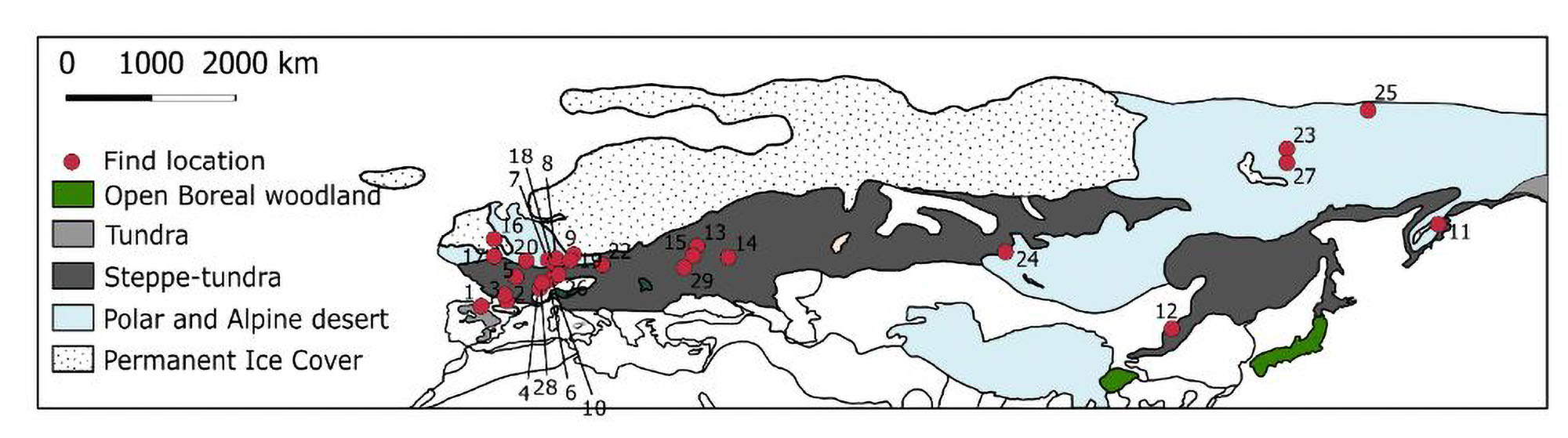
The study, ‘Excess protein enabled dog domestication during severe Ice Age winters’, published in the journal Scientific Reports suggests that approximately 14,000 to 20,000 years ago, humans hunted and shared meat with wolves and eventually evolved to man’s best friend – dogs.
“We have discovered there was an ecological drive regarding the domestication of dogs, especially during this period where we see the first fossil records appearing,” said Maria Lathinen, the lead author of the study, archeologist and senior researcher at the Finnish Food Authority.
She explained the main reason for this was that the calorie intake of the then human beings was much less and an excess of it would lead to sickness, diarrhea, and could be fatal at times. Therefore, the hunter-gatherers would have been left with food to spare.
The study suggests that giving this surplus meat to wolves, who were competing with the humans for the same prey, created a companionship, and eventually led to the domestication of dogs.
Lathinen explained this theory only applies to Eurasia as the climate was harsh, and the relationship between the wolves and humans would not have been possible if there were plant-based foods all throughout the year.
“The fossil record is spread all over Eurasia, but it is still not known where exactly this process began,” she said.
The theory applies to an area ranging from modern-day China, across Russia, to Western Europe, including France and Spain.
During the Ice Age in the far north, humans had to rely on killing animals to survive. They were majorly interested in fish, whales, seals and mammoths.
“We think it is highly unlikely the dog domestication was done on purpose because such a thing as domestication did not exist,” said Lathinen. “Dogs were the first animals to be domesticated, so people didn’t have an idea that could have developed. We think this was not done on purpose.”
However, she agrees that once ancient humans realized the worth of wolves, this dynamic would have evolved naturally.
Domesticated animals have brought humans invaluable advantages throughout history, but there have been several disadvantages also. One of the disadvantages of animal domestication has been an increase in the number of diseases from contact with animals.
Farm animals have especially put people at risk: cows with tuberculosis, pigs with influenza, and horses with rhinoviruses. Humans can also contract diseases from their pets and even share a few parasites with their furry companions.
“Today, 60 percent of the emerging infectious diseases in humans are zoonotic. Animal pathogens can infect humans directly through contact with wild or domestic animals or indirectly by transmission through intermediate hosts,” said a study. “These intermediate hosts act as “mixing vessels” that can lead to the genetic variation of diseases, enabling them to infect humans.”
(Edited by Saptak Datta and Gaurab Dasgupta.)
The post New Study Reveals Domestication of Dogs Began in Ice Age appeared first on Zenger News.
