
Silence is Unacceptable:High-prescription drug prices hurt the Black Community
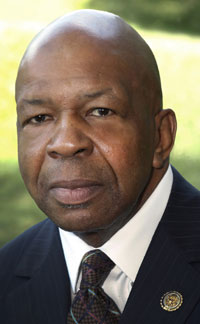
By Rep. Elijah E. Cummings (D-Md.)
Nearly a decade ago, Clinton Crawley, a Baltimore resident and one of my constituents, was diagnosed with diabetes. Clinton has done everything his doctors asked—he eats well, he exercises and he takes his medication. Although Clinton has employer-sponsored health insurance, the cost of his medication—more than $1,000 each year—places a significant burden on his finances.
Mr. Crawley is not alone. Over the past decade, 90 percent of brand name drugs have more than doubled in price. In 2014, U.S. prescription drug prices jumped 13 percent. That year, Americans spent $1,112 per person on medication while Canadians spent $772 and Danes spent $325, and nearly 1 in 5 Americans have reported not being able to afford the medication they were prescribed. Simply put, the pharmaceutical industry’s greed is hurting the American people.
The issue of high prescription drug prices has a severe impact on the African American community. As the saying goes, “when America catches a cold, Black America gets the flu.” African Americans suffer from chronic diseases at higher rates than other groups. African Americans are 40 percent more likely than Caucasians to have high blood pressure, and the rate of diagnosed diabetes is 77 percent higher in our community. In 2014, African Americans were nearly three times more likely to die from asthma-related causes than Caucasians. African Americans at every education level are also paid less than their white counterparts. These factors place African Americans in a double bind—we are more likely to suffer from an expensive chronic disease and we earn less money with which to pay for our health care, including skyrocketing prescription drug prices.
Mr. Crawley’s experience, and those of millions of Americans nationwide, is unacceptable at a time when the 10 highest paid pharmaceutical industry CEOs took home $327 million in a single year. President Trump was right when he said that these companies are “getting away with murder.”
That is why Congressman Peter Welch (D-Vt.) and I put our differences with President Trump aside and met with him to discuss how we can work together to lower prescription drug prices. During that meeting, Rep. Welch and I presented President Trump with ”The Medicare Drug Price Negotiation Act,” a bill that would lower prescription drug prices by allowing Medicare—the largest purchaser of prescription drugs in America—to negotiate for lower prescription drug prices. We asked for the president’s support and feedback on our bill. Four months later, despite the president’s enthusiasm during our meeting, we are still waiting to hear from him.
Instead of working with me and Rep. Welch, there are now reports that President Trump is poised to issue an executive order that would grant many wishes directly from the pharmaceutical industry’s wish list. This executive order would be a betrayal of the president’s promise to the American people.
There is something wrong with this picture, and the American people know it. A majority of Democrats, Republicans and independents want Congress and President Trump to make lowering the cost of prescription drugs a “top priority,” and 92 percent of all Americans want Medicare to negotiate for lower drug prices.
While I am disappointed by the president’s silence, I am undeterred. I am still fighting hard in Congress to address this issue. Rep. Welch and I recently joined Reps. Jan Schakowsky (D-Ill.) and Rosa DeLauro (D-Conn.) to introduce the ”Improving Access to Affordable Prescription Drugs Act”—a comprehensive approach to lowering prescription drug costs. Our bill would improve transparency in drug pricing and manufacturing; allow Medicare to negotiate for lower prices in Part D and require negotiation for certain high-cost drugs; allow the importation of safe, affordable prescription drugs; help generic drugs reach the market more easily; and cap the out-of-pocket costs for prescription drugs in private insurance plans.
I still hope that we will gain the support of the President and our Republican colleagues on this issue. This is not a Democratic or Republican issue, this is a moral issue. Are we the type of country that values people over profit, or are we a country that values profit over people? The American people have made it clear where they stand. They want Congress to work together to fix this problem. Continued silence in the face of so much hardship and suffering is simply unacceptable.
