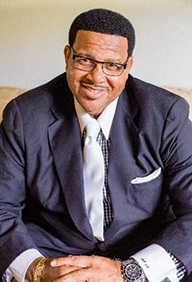
By Rev. Dr. Alphonso Jackson, Sr., Senior Pastor, Second Baptist Church
The health of a community is often about connecting. Connecting with our neighbors, friends, and family to recharge our souls. Connecting with information that empowers us to make positive change.
Now we need to get connected and work together to address a serious cause of heart failure called transthyretin amyloid cardiomyopathy, or ATTR-CM.
Many of us may already be aware that when it comes to heart disease in the U.S., Black, African American, and Afro-Caribbean communities are disproportionately affected compared to other racial and ethnic groups.* But did you know about three to four percent of African Americans carry a mutation in the TTR gene (V122I) that makes it more likely that they may develop ATTR-CM, however not all carriers develop the disease. ATTR-CM gets worse over time, which is why early diagnosis and management are so important.
ATTR-CM hides in plain sight. That’s where community and connecting come in.
Getting diagnosed with ATTR-CM can often take years. Some signs of ATTR-CM, like carpal tunnel syndrome, extreme tiredness, and swelling in the lower legs and feet, can mimic other conditions. The signs of ATTR-CM may be difficult to connect with a heart condition. ATTR-CM, as a cause of heart failure can be missed. Family or friends can play an important role in helping you or your doctor determine health issues that you may not notice or talk about. Share all your health information with your doctor so that they can “connect the dots” and make sure health concerns aren’t overlooked.
We are connected by our health histories – sharing health information among relatives is important too. The hereditary type of ATTR-CM is passed down through relatives. If you have relatives with heart-related issues – tell your doctor. If a relative is diagnosed with hereditary ATTR-CM, a doctor may suggest genetic counseling and testing for relatives. Genetic testing can help relatives understand what potential steps to take.
Getting connected with information about ATTR-CM and learning from experts is also key. That’s why The James Wilson Bridges, M.D. Medical Society and I are excited to partner with Pfizer, former NBA basketball player and coach Don Chaney, and Dr. Tara Hrobowski on a Voices for the Heart event to increase awareness of ATTR-CM in our community. Don will share his personal diagnosis story and his experiences living with hereditary ATTR-CM. To register for this important event, click here or scan the QR code below.
Working together, we can raise awareness of hereditary ATTR-CM and help make sure that our community, friends, and family have the information they need to take charge of their health.
*A 7-year study in London, UK found a gene mutation (ATTR V122I) was the cause of heart failure in 211 out of 1392 Afro-Caribbean patients.
 For additional resources on hereditary ATTR-CM, including a discussion guide to help conversations with your doctor or share with a loved one, you can visit www.yourheartsmessage.com/don.
Content developed by Pfizer in collaboration with The James Wilson Bridges, M.D. Medical Society.