Close Menu
The Westside GazetteThe Westside Gazette
    Facebook X (Twitter) Instagram
    • About Us
    • Contact
    • Media Kit
    • Political Rate Sheet
    • Links
      • NNPA Links
      • Archives
    • SUBMIT YOUR VIDEO
    Facebook X (Twitter) Instagram
    The Westside GazetteThe Westside Gazette
    Advertise With Us
    • Home
    • News
      • National
      • Local
      • International
      • Business
      • Releases
    • Entertainment
      • Photo Gallery
      • Arts
    • Politics
    • OP-ED
      • Opinions
      • Editorials
      • Black History
    • Lifestyle
      • Health
      • HIV/AIDS Supplements
      • Advice
      • Religion
      • Obituaries
    • Sports
      • Local
      • National Sports
    • Podcast and Livestreams
      • Just A Lil Bit
      • Two Minute Warning Series
    The Westside GazetteThe Westside Gazette
    You are at:Home » The Quiet Revolutionary and the NAACP
    National News

    The Quiet Revolutionary and the NAACP

    May 24, 20182 Mins Read3 Views
    Facebook Twitter Pinterest Telegram LinkedIn Tumblr Email Reddit
    Share
    Facebook Twitter LinkedIn Pinterest WhatsApp Email
    Advertisement

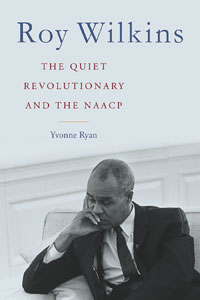
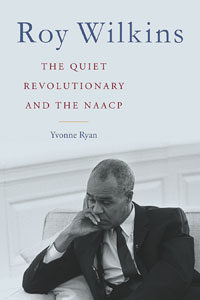
    Roy Wilkins

    The Quiet Revolutionary and the NAACP

    Roy Wilkins (1901–1981) spent 46 years of his life serving the National Association for the Advancement of Colored People (NAACP) and led the organization for more than twenty years. Under his leadership, the NAACP spearheaded efforts that contributed to landmark civil rights legislation, including the 1964 Civil Rights Act and the 1964 Voting Rights Act.

    In Roy Wilkins: The Quiet Revolutionary and the NAACP, Yvonne Ryan offers the first biography of this influential activist, as well as an analysis of his significant contributions to civil rights in America. While activists in Alabama were treading the highways between Selma and Montgomery, Wilkins was walking the corridors of power in Washington, D.C., working tirelessly in the back-ground to ensure that the rights they fought for were protected through legislation and court rulings. With his command of congressional procedure and networking expertise, Wilkins was regarded as a strong and trusted presence on Capitol Hill and received greater access to the Oval Office than any other civil rights leader during the presidency of Lyndon B. Johnson.

         Roy Wilkins fills a significant gap in the history of the civil rights movement, objectively exploring the career and impact of one of its forgotten leaders. This quiet revolutionary, who spent his life navigating the Washington political system, affirmed the extraordinary and courageous efforts of the many men and women who braved the dangers of the southern streets and challenged injustice to achieve equal rights for all Americans.

    Yvonne Ryan is managing editor of The Economist’s annual World In publication. She holds a Master of Arts degree from the Institute of the Americas, University College London, and a Ph.D. from Leiden University. She lives in Suffolk, England.
     

    Roy Wilkins
    Share. Facebook Twitter Pinterest LinkedIn Reddit WhatsApp Telegram Email
    Carma Henry

    Carma Lynn Henry Westside Gazette Newspaper 545 N.W. 7th Terrace, Fort Lauderdale, Florida 33311 Office: (954) 525-1489 Fax: (954) 525-1861

    Related Posts

    Future of Florida’s Black History Museum in Limbo

    March 26, 2026

    From Reconstruction to the SAVE Act

    March 26, 2026

    Black School Counselors Are a Necessity. We Don’t Have Enough

    March 26, 2026

    (Please enter your Payment methods data on the settings pages.)
    Advertisement

    View Our E-Editon

    Advertisement

    –>

    Advertisement
    Advertisement
    advertisement

    Advertisement

    –>

    The Westside Gazette
    Facebook X (Twitter) Instagram Pinterest
    © 2026 The Westside Gazette - Site Designed by No Regret Media.

    Type above and press Enter to search. Press Esc to cancel.

    Go to mobile version