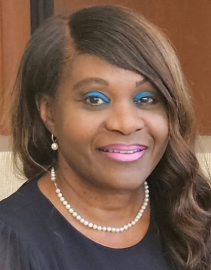
By Dr. Harleen Hutchinson
Part Two of a Two Part Series
This perspective is not abias to be dismissed, it is an expertise to be valued. Yet too often, it is met with skepticism or discomfort, particularly when it challenges dominant narratives. The cost of speaking up, then, becomes more than professional disagreement. It becomes pers-onal. It is the weight of holding the stories of families who have been marginalized, while navigating systems that may not be prepared to hear those stories. It is the risk of being labeled, dismissed, or silenced for bringing forward truths that complicate the narrative.
At the center of this conversation are families, families who have often experienced significant adversity, including poverty, systemic racism, community violence, and intergenerational trauma. These families frequently enter the child welfare system not because of a lack of love, but because of a lack of support. Yet they are often judged through lenses that fail to account for their lived realities. Their behaviors are scrutinized without context, and their voices are too often absent from the decisions that affect their lives.
When professionals speak on their behalf, we are not simply presenting information. We are carrying their humanity into spaces where it is at risk of being overlooked. We are giving voice to babies who cannot express the impact of separation, to children who cannot articulate their confusion and fear, and to parents who are navigating systems that may not fully see or understand them. To dismiss or disparage this work is to diminish the humanity of the very families the system is meant to serve.
This raises an urgent question: where is the humanity in our systems?
A just system must make room for disagreement, but it must also uphold the dignity of those who participate in that process. Disagreement without disparagement requires respect for professional expertise, engagement with the substance of testimony rather than personal attacks, and an ongoing commitment to examining how bias, both implicit and explicit may influence decision-making. Judicial canons exist to ensure fairness, impartiality, and integrity. These are not abstract ideals; they are the foundation of public trust in the system.
When those standards are not upheld, when bias influences tone or decision-making, the impact extends far beyond a single case. It shapes how professionals engage, how families experience the system, and how justice itself is perceived. Accountability, therefore, is not about criticism, it is about strengthening the system to function as it was intended.
Judges hold immense responsibility, and with that responsibility comes the obligation to ensure that all voices are heard and respected, particularly those speaking on behalf of the most vulnerable. Professional organizations, legal communities, and broader stakeholders must also play a role in upholding these standards, advocating for ethical practices, and addressing concerns when they arise.
At the heart of this work are those who cannot speak for themselves. Babies who cry in unfamiliar spaces, unable to understand why they have been separated from their caregivers. Young children who internalize loss without the language to express it. Families who navigate systems that often see them through a lens of deficiency rather than resilience. These voices depend on professionals who are willing to step forward, to speak with integrity, and to advocate for what is not always visible.
If those voices are silenced, if professionals are discouraged from speaking openly or fear the consequences of doing so, we risk losing something essential. We risk losing the very perspectives that are necessary to ensure just and compassionate outcomes.
As a Black professional in this field, I remain committed to this work because I believe in the power of relationships to heal, in the resilience of families, and in the possibility of systems that truly center humanity. But belief must be accompanied by action. We must be willing to name when disagreement becomes disparagement. We must be willing to hold systems accountable when they fall short. And we must continue to stand for the children and families who rely on us, even when it is difficult.
Because in the end, this is not about professional ego or individual disagreement. It is about the lives of children and families who deserve to be seen, heard, and valued. It is about ensuring that justice is not only done but done with dignity.
And that is something we cannot afford to compromise.