 First HIV-positive transplants offer patients new hope
What we had done before was take HIV-negative organs and put them into HIV-positive people”, Segev said.
By Jay Jacobs
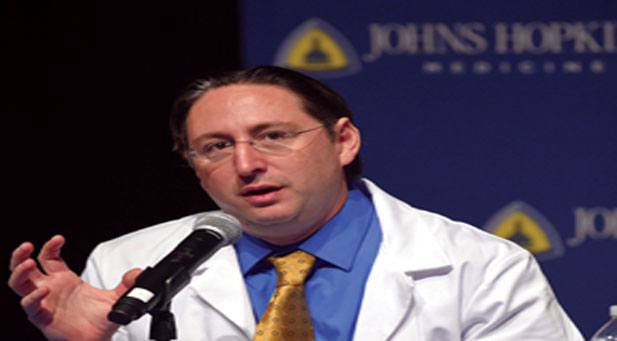
The news also marks an important turning point, given the growing life expectancy of people with HIV. According to a transplant expert in Johns Hopkins, Dr. Dorry Segev, the break-through is nothing short of a new opportunity in life for patients who have been suffering for so long. In a statement, the group said the change in the law and the first transplants are rewarding.
Under the new law, only transplant recipients who are HIV-positive will be eligible to receive organs from HIV-positive donors.
Although the HIV organ transplants were the first for the U.S., HIV-positive kidney transplants have been done in South Africa.
Lambda Legal had for years represented HIV positive patients whose insurers had denied coverage for transplants from healthy donors. HIV was not a choice she made, but she fought it for herself and our family every day.
“What we had done before was take HIV-negative organs and put them into HIV-positive people”, Segev said.
“We were watching patients die, and we were watching organs being wasted”, he continued. Last month, Segev estimated there would be up to 600 HIV-positive organ donors annually, which could save more than 1,000 lives.
“It opens the possibility that people who are HIV-positive on our waiting list can now be considered in the future”, he said.
Segev predicted Wednesday that “as we get the word out, we’ll have more and more donors become available”,
The patients taking part in the operation are now recovering from the procedure, the doctors said, adding that they are doing well. Both were desperately waiting for these organs.
The innovative surgeries received approval from the United Network for Organ Sharing and followed the passage of the HIV Organ Policy Equity Act of 2013.
However, this kind of trans-plant between two people with HIV involves risk, including that the recipient is exposed to a new strain of virus that may be more resistant. Thousands of people die each year while they wait. “We were afraid we would cause rapid progression of HIV to AIDS and death”.
“All these changes in transplantation are completely dependent” on those changes, he said. “The patient is still in the hospital, but expected to be discharged (in) a few days, and the liver is functioning extremely well”.
And at major transplantation centers, surgeons have substantial experience in per-forming surgeries on HIV-infected patients. Though HIV-positive organs will only go to recipients who have HIV, the ability to use these organs should help reduce the waiting time for all transplant candidates, HIV-positive or not, physicians say.
The Johns Hopkins Hospital has been approved to conduct the first HIV-positive organ transplant in the U.S.
“A couple of weeks ago we performed the first HIV-to-HIV liver transplant in the world, and the first HIV-to-HIV kidney transplant in the United States”. Protocols developed at Hopkins call for donors and recipients to be on similar drug regimens. But AIDS also suppresses the immune system, and surgeons anxious that an organ transplant in someone infected with the AIDS virus might actually do more harm than good.