By Westside Gazette Staff
Sweeping changes to U.S. student and temporary visa policies announced by the Trump administration could significantly alter the educational landscape for colleges, universities, and immigrant communities across the nation, including South Florida.
The new Department of Homeland Security (DHS) regulation, announced July 17, is expected to take effect on Sept. 15, pending legal challenges and congressional review. Immigration advocates and higher education leaders say the policy represents one of the most significant changes to student visa rules in decades.
At the center of the new regulation is the elimination of the long-standing “duration of status” policy for many international students, exchange visitors, and foreign journalists.
Under the current system, international students holding F-1 visas generally remain in the United States for the duration of their academic programs, allowing them to complete undergraduate or graduate degrees, participate in approved practical training, or continue into advanced degree programs without repeatedly applying for extensions.
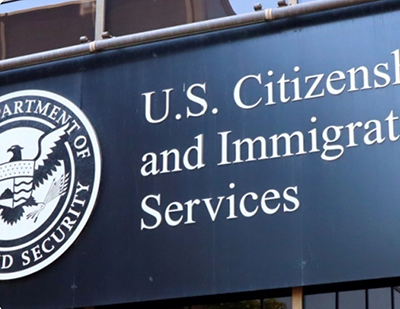
Beginning Sept. 15, new admissions under the rule will instead receive a fixed period of authorized stay. Most international students and exchange visitors will be limited to the length of their academic program or four years—whichever is shorter—followed by a 30-day grace period. Those needing additional time must file an application with U.S. Citizenship and Immigration Services (USCIS), paying a filing fee each time they seek an extension.
Foreign journalists entering the United States on I visas will generally be limited to 240-day stays before applying for an extension.
The regulation also introduces new restrictions for international students seeking to change majors, transfer to another college, or pursue an additional degree. In many cases, undergraduate students will be prohibited from changing majors or transferring schools during their first academic year except under narrowly defined “extenuating circumstances.” Graduate students will face even stricter limitations on changing their educational objectives.
Supporters of the rule say the changes will strengthen oversight of temporary visa holders and reduce visa fraud and overstays.
In announcing the regulation, DHS said the new framework will allow immigration officials to conduct periodic reviews to ensure visa holders continue meeting the requirements of their immigration status while improving enforcement of federal immigration laws.
Critics, however, argue the policy could discourage talented students and researchers from choosing the United States for higher education. Many colleges and universities depend on international enrollment, with foreign students paying full tuition in many cases and contributing billions of dollars annually to the nation’s economy.
Education leaders also warn that additional paperwork, filing fees, and uncertainty surrounding visa renewals may place new financial and administrative burdens on students already navigating an expensive educational system.
South Florida, one of the nation’s most internationally diverse regions, could feel the impact. Institutions of higher education throughout Miami-Dade, Broward, and Palm Beach counties enroll thousands of international students each year, while the region’s multicultural economy benefits from visiting scholars, researchers, exchange programs, and members of the international press.
The policy may also have implications for Historically Black Colleges and Universities (HBCUs), many of which have expanded recruitment efforts to attract students from Africa, the Caribbean, and other parts of the world. International students often enrich campus life through cultural exchange while contributing to research, innovation, and workforce development.
Immigration attorneys are encouraging affected students, exchange visitors, journalists, and their families to closely monitor implementation of the new rule and seek qualified legal guidance before making decisions about travel, transfers, or academic planning.
While federal officials maintain that the regulation is intended to improve accountability and national security, opponents contend it could make the United States less competitive in attracting the world’s brightest students and scholars at a time when other countries are actively expanding opportunities for international education.
As the rule moves toward implementation, colleges, universities, immigrant communities, and advocacy organizations nationwide will be watching closely to see how the changes affect enrollment, academic research, and America’s long-standing role as a destination for higher education and global talent.