A MESSAGE FROM THE PUBLISHER
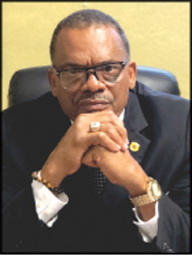
By Bobby R. Henry, Sr.
There comes a time when the smell of where you are ought to make you question how you got there.
In Luke 15, a young man demanded his inheritance, left his father’s house, and squandered his blessings. Eventually, hungry and desperate, he found himself feeding pigs and longing for their food.
He had wanted freedom without responsibility, blessings without boundaries, and wealth without a relationship with the father who provided it.
Reading that parable alongside Luke 13 and 14, I cannot help asking: Has America become so comfortable in its own pig pen that we have forgotten what coming to our senses looks like?
Look at the bitterness in our public conversation. Look at how quickly compassion is dismissed as weakness and accountability treated as persecution. Consider the conduct we excuse from leaders because we believe their victories somehow belong to us.
This administration did not invent America’s moral failures. But I believe its leadership demands a reckoning with what we have become willing to accept.
At home, current and former national security officials are advising state leaders about possible federal interference in the coming elections. Those concerns are based on public statements and behavior; the administration denies plans to interfere. That such preparations are being discussed should trouble anyone who values the peaceful exercise of the vote. (washingtonpost.com)
Abroad, reporting on delayed approval of Patriot missile transfers to Ukraine raises serious questions about America’s reliability when people facing attack depend on our commitments. (washingtonpost.com)
We cannot separate our standing in the world from our character at home. Other nations hear our speeches about freedom. They also watch how we exercise power.
The prodigal son’s story offers three lessons for this national moment.
First, reckless promises come with a bill.
The young man never intended to end up among the pigs. He imagined pleasure, independence, and abundance. He discovered the cost after his inheritance was gone.
Political promises deserve the same scrutiny. What does a promised victory cost the working family? Whose dignity becomes negotiable? What happens to constitutional limits when loyalty to one leader becomes the highest expectation?
A cheering crowd cannot answer those questions. Neither can a campaign slogan.
We must examine the consequences.
Second, “give me” must become “make me.”
The son began by demanding his share. In his desperation, he prepared to ask for a servant’s place.
His understanding of himself had changed.
America needs that humility. Public office carries obligations to people who cannot offer campaign contributions, political protection, or personal praise. Leadership requires listening, accepting correction, and recognizing that the country belongs to its people.
The church must examine itself, too. We cannot preach repentance on Sunday and spend the rest of the week manufacturing excuses for conduct we would condemn in our own children.
Luke 13 reminds us of the urgency of repentance. God’s patience gives us an opportunity to change. We should never mistake that patience for permission to continue unchanged.
Luke 14 asks us to count the cost of discipleship. Following Jesus makes demands on our loyalties, our comfort, and our willingness to serve.
Third, restoration begins when we come to ourselves.
The turning point in Luke 15 arrives when the son recognizes his condition and decides to return.
He gets up.
That is the challenge before us. Recognizing the damage carries a responsibility to act: vote, demand truthful answers, defend our neighbors’ rights, and hold officials accountable—including those we supported.
For Black Americans, this responsibility carries the weight of generations who struggled to secure a voice in this country. Their sacrifices deserve our participation and our discernment.
And Luke 15 offers hope: what is lost still has value. Restoration remains possible.
But the journey home requires movement.
America cannot keep squandering trust, feeding division, and calling the result greatness. We must recover the humility to admit our failures and the courage to change our direction.
The pig pen need not become our permanent address.
But we have to get up.