By Stacy M. Brown
The Price Shelly Paid for Trying to Eat
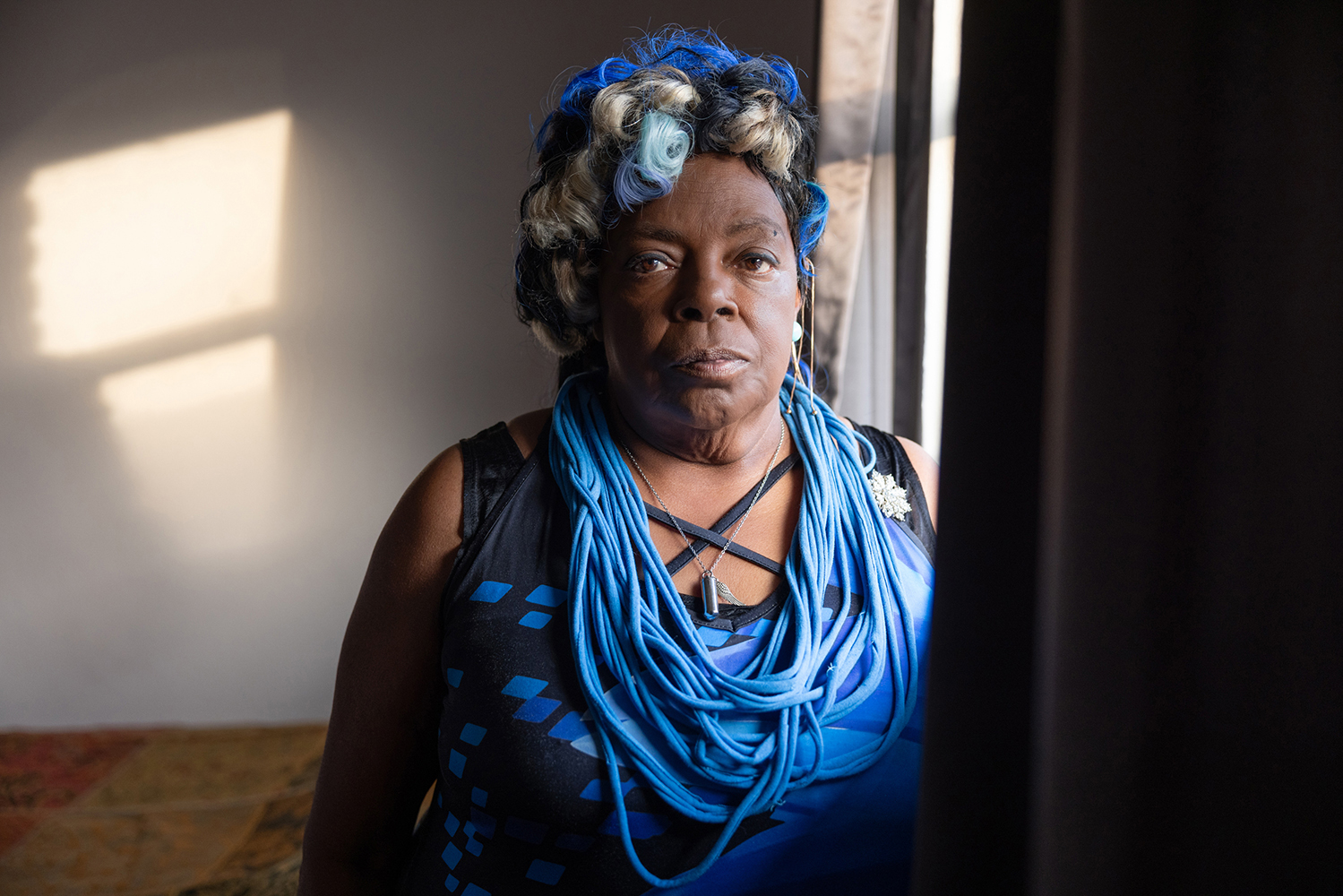
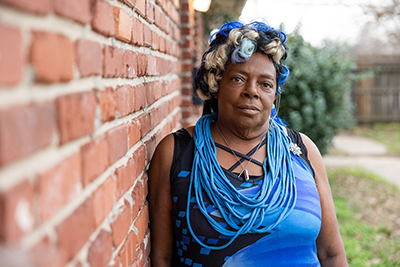 With costs of living rising, Shelly, a 65-year-old retiree from Tulsa, Oklahoma, and her 67-year-old husband struggled to make ends meet. Like many older Americans, both had significant health issues. But when the pair started receiving Social Security Disability benefits, their SNAP (food) assistance was cut, leaving them with barely enough to cover rent and basic meals. Before long, they could no longer afford their one-bedroom apartment and were evicted, becoming homeless.
For the next three and half years, Shelly faced impossible choices: use her limited funds to buy groceries or pay for temporary shelter. “We were on the street for years,” Shelly recalled. “That’s a long time to lay down on concrete.”
In August 2024, driven by hunger and desperation, Shelly went to Walmart to buy food. She paid for what she could but hid the rest in her bag. A Walmart employee caught her, called the police, and Shelly was arrested, charged with a misdemeanor, and booked into jail. Unable to pay $800 in cash bail, she faced the possibility of indefinite incarceration.
The Cost of Low-Level Offenses in Tulsa’s Misdemeanor System
Shelly’s story is not unique. Each year, courts across the United States handle approximately 13 million misdemeanor cases, accounting for 80% of all criminal court dockets. While jurisdictions define misdemeanors differently, they are generally considered minor, low-level offenses in Tulsa.
Tulsa uses a predetermined bail schedule to set cash bail amounts based on the charges, requiring defendants to pay a set amount for pretrial release.
These amounts are arbitrary and unrelated to flight risk or threat to public safety concerns, a practice common across the nation. “We’re old. I have colon problems, and my husband has congestive heart failure,” Shelly explained. “It’s important for us to have a proper diet, which means eating a lot of vegetables. Those things aren’t cheap.”
In addition to being unable to afford bail, Shelly faced crushing debt. Tulsa, like many jurisdictions, imposes various fees on people accused of low-level offenses, including jail fees and a public defender application fee, which range from a few dollars to over $300. Failure to pay these fees by the end of her case could lead to her incarceration again.
Shelly’s plight illustrates how cash bail, intertwined with the misdemeanor system, has become a profit-driven cycle that traps, exploits, and criminalizes individuals experiencing poverty.
 A Mother’s Search for Answers
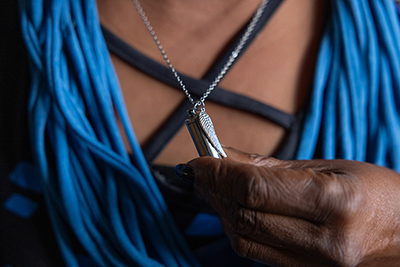
Her two sons, Joshua and Jerimiah, were Shelly’s motivation to keep going. Being a mother was her greatest joy. But in May 2024, Shelly received devastating news: her oldest son, Joshua, had died unexpectedly. Overwhelmed by grief, she rushed to his apartment but was denied access to his body. Shelly suspected foul play and believed he may have been exposed to fentanyl.
She ordered a toxicology report but was told it could take six months. Until then, no investigation would proceed. “I’m his mother. I won’t let it rest,” Shelly said. “How can someone be doing so good and then have their life snatched out from them like that?”
The Bail Project met Shelly in August 2024, shortly after her son’s death and her arrest. In addition to securing her release, The Bail Project team provided resources for food and housing, as well as an empathetic and steady presence during a deeply challenging time.
Recognizing how urgent her situation was, Karen Valencia, The Bail Project’s client support specialist in Tulsa, connected Shelly to a local food pantry and organized a ride to get her there. Shelly left with five large bags of food, enough for weeks. Karen continued to support Shelly with free court reminders and transportation assistance, ensuring she attended all hearings. “With compassion, determination, and a strong community network, we can create pathways for success and uplift those who need it most,” Karen said.
Shelly’s New Beginning
During one court appearance, Shelly was offered the chance to join a misdemeanor diversion program. She accepted and is on track to graduate in March, after which her charges will be expunged.
Recently, with help from a social worker, Shelly and her husband moved into a new two-bedroom apartment. For the first time in years, they feel safe and can focus on their health and rebuilding their lives. Despite this progress, the grief of losing her son weighs heavily on Shelly. Shelly remains determined to find answers about her son’s death, saying, “The next part of my journey has only just begun.”