Advertisement
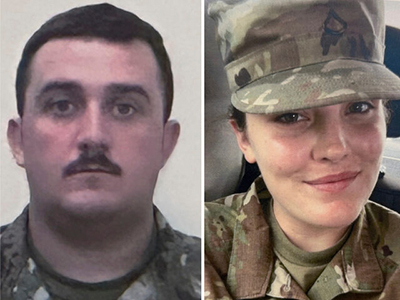
Andrew Wolfe and Sarah Beckstrom National Guardsmen
What Happened
- The shooting occurred on November 26, 2025, around 2:15 p.m. near the Farragut West Metro Station (17th & I Street NW), just a few blocks from the White House. The victims were two members of the West Virginia National Guard on “high-visibility patrol.”
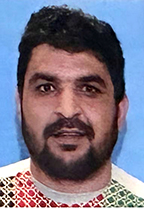
- The suspect, identified as 29-year-old Rahmanullah Lakanwal an Afghan national who entered the U.S. in 2021 under the resettlement program for evacuees from Afghanistan — was taken into custody after being wounded.
Victims, Charges & Legal Status
- One of the National Guard members, 20-year-old Sarah Beckstrom, died from her injuries.
- The other, 24-year-old Andrew Wolfe, remained hospitalized in critical condition but in the last 24 hours, state officials have confirmed he has “woken up from an induced coma” and begun to show signs of improvement.
- The suspect, Lakanwal, was formally charged with first-degree murder, assault with intent to kill while armed, firearms offences and other related charges. He pled not guilty during a remote court appearance from his hospital bed and was ordered held without bond.
Broader Fallout: Policy, Security, and Immigration
- The shooting has triggered sweeping policy changes: the current administration paused asylum decisions, suspended visa issuance for Afghan nationals, and re-examined green-card applications for people from “countries of concern.”
- In response to concerns over troop safety and rising tensions, the Pentagon confirmed that all National Guard troops deployed in D.C. are now armed. The number of troops in the capital has also increased, with about 500 additional guards ordered in after the attack raising the total to roughly 2,375.
- Local law enforcement in Washington, D.C. has begun joint patrols between the Guard and the city police shifting the deployment from a purely federal security mission to a shared policing operation.
What Remains Unclear / Under Investigation
- Motive: Official investigators have not yet confirmed a motive for the attack. While detectives are examining mental-health records and possible radicalization, no definitive conclusion has been announced.
- Extent of networking or accomplices: As of now, authorities say the suspect acted alone, but searches are ongoing. Devices seized from his home computers, phones, electronic media are under forensic review.
- Long-term impact on D.C. policing and civil liberties: The expansion of armed troop deployment, joint patrols, and heightened immigration crackdowns have sparked concerns among civil-rights groups and local residents debates about balance between security and personal freedoms are heating up.
Why It Matters
This is more than just a criminal case — it has become a flashpoint in national discussions about: immigration policy, resettlement of refugees, militarization of U.S. cities, public-safety strategy, and civil-liberties protections. The fallout will likely be felt not only in Washington, D.C., but across states and communities absorbing refugees, policemen/gun-control policy debates, and the future of federal troop deployments in major cities.