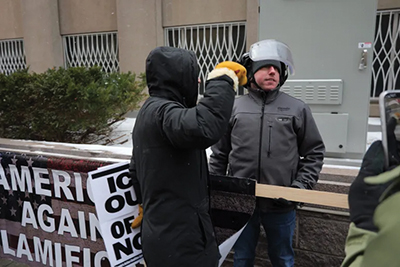
Weekend confrontations in downtown Minneapolis unfolded amid expanded federal immigration activity and growing concern across immigrant and Black communities.
By MSR News Online
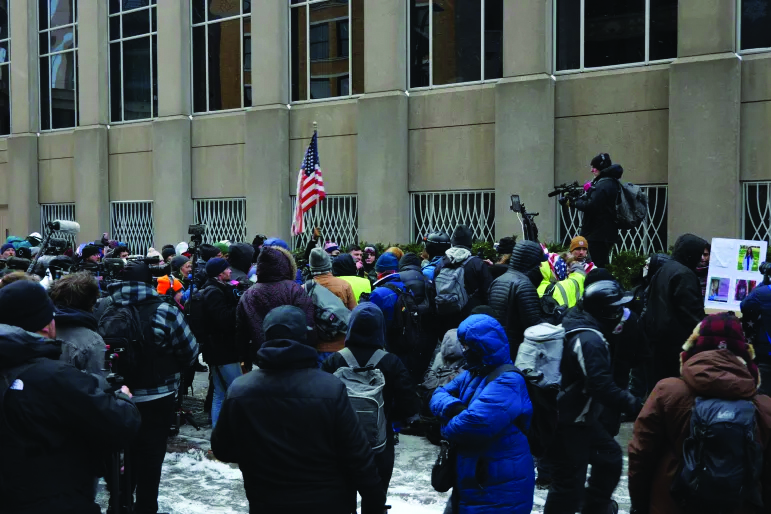
Tensions escalated in downtown Minneapolis over the weekend as opposing demonstrations clashed during a major federal immigration enforcement surge. The confrontations unfolded amid heightened fear in immigrant and Black communities following expanded ICE operations and the killing of Renee Good.
Weekend confrontations in downtown Minneapolis unfolded amid an expanded federal immigration presence and heightened concern across immigrant and Black communities.
Tensions around federal immigration enforcement spilled into the streets of downtown Minneapolis over the weekend, as opposing demonstrations collided during an escalating immigration crackdown in the Twin Cities.
The confrontation came as federal authorities significantly expanded immigration enforcement operations across Minneapolis and St. Paul, drawing sustained protests for more than a week. State officials confirmed that the Minnesota National Guard had been mobilized and placed on standby to assist state law enforcement if needed, though Guard members were not deployed to city streets at the time of the demonstrations.
Clashing Demonstrations Downtown
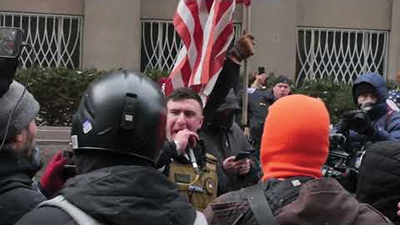
A large group of community members opposed to Immigration and Customs Enforcement gathered near federal buildings and City Hall, confronting a much smaller group that had organized a pro-ICE demonstration. The opposing rally promoted anti-immigrant and anti-Muslim rhetoric and was organized by Jake Lang, an out-of-state figure with a history tied to the January 6 Capitol attack.
The confrontation escalated as counter demonstrators overwhelmed the pro-ICE group, forcing them to leave the area. Objects including snowballs and water balloons were thrown before heavily equipped Minneapolis police officers arrived, supported by an armored vehicle. Officers worked to separate groups and stabilize the scene.
Lang appeared injured while leaving the area, showing visible marks on his head. Minneapolis police later stated they were aware of reports circulating online about possible assaults, though no official reports had been filed and no arrests had been made as of the latest update.
Broader Context of Federal Enforcement
The demonstrations unfolded against the backdrop of a dramatic federal surge in immigration enforcement. More than 2,000 federal officers were brought into the Twin Cities region as part of the Trump administration’s renewed crackdown, prompting fear and disruption across immigrant communities.
Daily protests have followed reports of masked federal officers conducting home entries and traffic stops, tactics that have alarmed residents and drawn legal scrutiny. A recent federal court ruling limited the ability of immigration officers to detain or use crowd-control measures against peaceful demonstrators who are not obstructing enforcement actions.
Community anger has been further inflamed by the killing of Renee Good, a U.S. citizen and mother of three who was shot by an ICE officer during a January 7 encounter. Her death has become a rallying point for protesters demanding accountability and an end to aggressive enforcement practices.
National Guard on Standby
The Minnesota National Guard confirmed it had been mobilized at the direction of Tim Walz to support the Minnesota State Patrol if necessary. Officials emphasized that the Guard’s role would be limited to traffic control and public safety support, aimed at protecting lives, preserving property, and safeguarding the right to peaceful assembly.
State leaders have expressed concern about the scale and tactics of the federal operation, arguing that the enforcement surge has destabilized communities and strained local resources.
Fear and Fallout in the Community
The enforcement actions have left many residents fearful of leaving their homes. One Minneapolis man who fled civil war as a child described ongoing fear following his recent detention and release, despite living for years under legal supervision. Video showing federal officers forcing entry into his home has circulated widely, intensifying public outrage.
Legal challenges have followed, with judges questioning whether federal officials provided proper notice before revoking supervision statuses. State and local leaders have pushed back against federal claims, asserting that constitutional protections are being undermined.
Community Response and Resolve
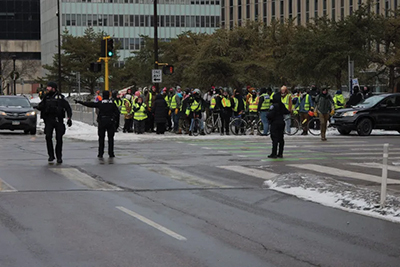
Despite moments of chaos, organizers of the larger counter demonstration reiterated commitments to nonviolence and community protection. Many participants emphasized solidarity with Minneapolis’ Somali, Muslim, and immigrant communities, whose presence and contributions have long shaped the city.
Throughout the afternoon, music, signs, and chants in support of immigrant families largely drowned out the pro-ICE demonstration, signaling where the balance of public sentiment lay.
As federal enforcement continues and legal battles unfold, Minneapolis remains a focal point in the national debate over immigration policy, civil liberties, and public safety. For many in Minnesota’s Black and immigrant communities, the events of the weekend underscored long-standing concerns about state power, racialized enforcement, and the urgent need for accountability and protection of human rights.