
Reflections on HIV and privilege from a conference of people with HIV
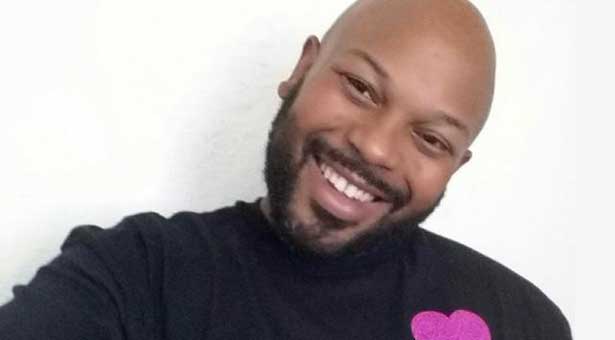
By Ashton P. Woods from TheBody.com
The importance of a gathering like the Positive Living Conference, and many others like it, is that a safe space is established for people to be more than their HIV status. The Positive Living Conference — which happens each year in Fort Walton Beach, Fla., and took place from Sept. 18-20 this year — is the largest gathering of people living with HIV in the U.S. When safe spaces are created, the true humanity of participants can be seen. In seeing that humanity, many of the problems in relation to being HIV positive are ex-posed.
Privilege plays a much larger role in relation to HIV services and how people are treated in general. Privilege spans more than race, sex or gender; it touches on socioeco-nomic status, education level and a host of other factors that can be considered a privilege. In essence, a conference such as Positive Living creates an equal playing field for people on different ends of the HIV spectrum to collaborate. Reflections on HIV and privilege from a conference of people with HIV
The importance of a gathering like the Positive Living Conference, and many others like it, is that a safe space is established for people to be more than their HIV status. The Positive Living Conference — which happens each year in Fort Walton Beach, Fla., and took place from Sept. 18-20 this year — is the largest gathering of people living with HIV in the U.S. When safe spaces are created, the true humanity of participants can be seen. In seeing that humanity, many of the problems in relation to being HIV positive are ex-posed.
Privilege plays a much larger role in relation to HIV services and how people are treated in general. Privilege spans more than race, sex or gender; it touches on socioeco-nomic status, education level and a host of other factors that can be considered a privilege. In essence, a conference such as Positive Living creates an equal playing field for people on different ends of the HIV spectrum to collaborate.
In these settings, learned experiences are shared, misconceptions are broken and hopefully a synergy is created. The first step in recognizing intersectionality is to accept the differences of others and allow ourselves to check privileges that we have (whether we know we have them or not).
HIV does not discriminate when it attacks its host; it is the system of privilege and socialized systems of belief that makes HIV insidious. When settings like this exist, and are conducive enough for people not to front-stage or hold back about their authentic experience, the truth about how they view the care they receive versus someone of a different race or gender can emerge.
Take me for example: I am a Black man who happens to be out gay and atheist. I also happen to be HIV positive with very-little-to-no income. My socioeconomic status requires me to seek services like Ryan White and ADAP (AIDS Drug Assistance Program) in order to take care of my health. In general, health care is what comes to mind, and that is the furthest from the truth. I had an experience, where I went to ask for rental assistance under HOPWA (Housing Opportunities for People with AIDS) and got turned away, only to see my white counterparts get much better help in the process. This is not all due to white privilege, but that particular privilege plays a major role in how folks receive various services.
Even when it comes to testing and prevention services, we have to travel a substantial distance from our homes and run into other issues of privilege. I have male and cisgender privilege, and although I have my own issues with services, what would a transwoman, or women in general, face when dealing with HIV education and prevention? Most places across the nation have drop-in centers that may only cater to CDC codes like “MSM” (men who have sex with men). But where in the hell are the all-encompassing Trans resources? That is one of many questions that come to my mind as I write about privilege when it comes HIV: Cis and Trans women’s lack of resources outside of Planned Parenthood, and lack of other Trans-specific resources.
If prevention is problematic then the care must be, right? Think about the fact that the Trans community, especially those of color, lack access to proper care. Many agencies make transwomen identify as MSM in order to get treatment or prevention education; if that isn’t a setup based on privilege, I don’t know what is! Then there is the prospect of mental health and other issues that may arise. Many times conferences are the only place where women and men can express their needs, and hopefully get pointed in the right direction to get proper services to have those needs met.
Why tell us how to prevent STI infection, and then allow us to be faced with lack of resources like SHELTER, FOOD and OVERALL SAFETY?
Ashton P. Woods is an independent activist, blogger and New Orleans native now based in Houston, Tex. Read his blog, and follow him on Twitter at @ashtonpwoods.
