
 The loud silence of rape survivors
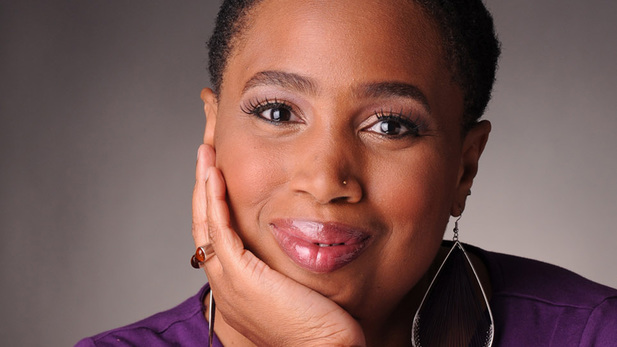
Simmons says Black women are good at protecting everyone but themselves.
(Photo by Julie Yarbrough)
By Jazelle Hunt, NNPA Washington Correspondent
(Part IV)
WASHINGTON, D.C. (NNPA) – An online survey of sexual assault survivors conducted as part of this series vividly captures the fear and reluctance Black women rape survivors exhibit about sharing their ordeal with others:
From a young woman, drugged and raped by a man she met at a party at age 21:
“I told someone, but I never gave specifics because I felt like they would think it was my fault.”
From a middle-aged woman, repeatedly raped by a class-mate’s father at age six:
“When it first happened, we told our teacher and the [school] nurse. We were told that we were making it up. He told me that if I told anyone, he’d kill my whole family. I was scared for weeks after telling my family.”
From a young woman, raped by her then-boyfriend’s older brother at age 15:
“I never told anyone, not even my boyfriend, until I started talking to a therapist on cam-pus during my sophomore year of college…to this day he doesn’t know.”
From a mature woman, raped at ages 12 and 13 and fond-led by a pastor at age 15:
“I never said a word. Because in the end, I blamed myself. How do you know to blame your-self at 12 years old?”
Data from the Department of Justice shows that Black women are less likely than other women to report rape and assaults to police or tell anyone what happened.
Why?
About 80 percent of rapes happen between people of the same race. For Black women survivors whose assailants are also Black, cultural codes can make it difficult to speak out.
Black men vs. Black women
“We in Black communities don’t talk about [sexual assault] because of this pressure to protect the race,” says Aishah Shahidah Simmons, a survivor, educator, activist, and director of “NO! The Rape Documentary,” an international award-winning film that explores sexual violence within in the Black community.
The Philadelphia native explained, “[Black women] are valuable when we’re concerned about protecting our men and our children and our communities, but when it comes to talking about the violence that we’ve experienced at the hands of the men in our communities, then we’re traitors.”
Many have absorbed this message, including survivors. For example, Tiffany Perry, a native of Jersey City, N.J., was surprised to hear her mother’s opinion on the Bill Cosby sexual assault allegations.
“My mom is in support of Bill Cosby, she thinks he’s being sabotaged. She’s leaning more on the side of politics…. And I told her, ‘I can’t believe you, a person who has experienced a rape, would be in support of him,’” Perry said.
“You hear all of these women, particularly Black women – ‘Oh, they should’ve said something a long time ago. They just this, and gold-digger that.’ But if these women had said something, who’s to say these women wouldn’t have gotten railroaded then like they are getting railroaded now?”
On top of the expectation to be supportive of Black men, beliefs about what constitutes ideal Black womanhood, including inexhaustible emotional strength and perfect sexual respectability, can add to the trauma for Black women.
