Additional Human Case of West Nile virus Illness Confirmed
FORT LAUDERDALE, FL –Seven human case(s) of West Nile virus illness have been reported to the Florida Department of Health in Broward County since January 1, 2020 and there is a heightened concern that additional residents will become ill. Broward County continues to be under a mosquito-borne illnesses alert. DOH-Broward and Broward County Mosquito Control Division continue surveillance and prevention efforts.
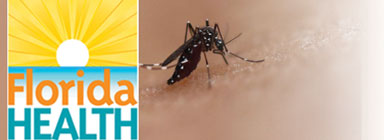
West Nile virus (WNV) is the leading cause of mosquito-borne disease in the continental United States. It is most spread to people by the bite of an infected mosquito. There are no vaccines to prevent or medications to treat WNV in people.
Most people infected with West Nile virus do not feel sick. About 1 in 5 people who are infected develop a fever and other symptoms such as headache, pain, and fatigue. People with mild illness typically recover within about a week with symptomatic treatment. Less than one percent of infected people develop a serious, sometimes fatal, illness. Symptoms typically appear between two and 14 days after the bite of an infected mosquito. People over the age of 60 and individuals with weakened immune systems are at an increased risk for severe disease
DOH-Broward reminds residents and visitors to avoid being bitten by mosquitoes and to take basic precautions to help limit exposure. Remember to “Drain and Cover.”
DRAIN standing water to stop mosquitoes from multiplying.
*Drain water from garbage cans, house gutters, buckets, pool covers, coolers, toys, flowerpots or any other containers where sprinkler or rainwater has collected.
*Discard old tires, drums, bottles, cans, pots and pans, broken appliances and other items that are not being used.
*Empty and clean birdbaths and pet’s water bowls at least once or twice a week
*Protect boats and vehicles from rain with tarps that don’t accumulate water.
*Maintain swimming pools in good condition and appropriately chlorinated. Empty plastic swimming pools when not in use.
COVER skin with clothing or repellent.
*Clothing – Wear shoes, socks, and long pants and long-sleeves. This type of protection may be necessary for people who must work in areas where mosquitoes are present.
*Repellent – Apply mosquito repellent to bare skin and clothing.
*Always use repellents according to the label. Repellents with DEET, picaridin, oil of lemon eucalyptus, para-menthane-diol, 2-undecanone and IR3535 are effective.
*Use mosquito netting to protect children younger than 2 months old.
Tips on Repellent Use
*Always read label directions carefully for the approved usage before you apply a repellent. Some repellents are not suitable for children.
*Products with concentrations of up to 30 percent DEET (N, N-diethyl-m-toluamide) are generally recommended. Other U.S. Environmental Protection Agency-approved repellents contain picaridin, oil of lemon eucalyptus, para-menthane-diol, 2-undecanone or IR3535. These products are generally available at local pharmacies. Look for active ingredients to be listed on the product label.
*Apply insect repellent to exposed skin, or onto clothing, but not under clothing.
*In protecting children, read label instructions to be sure the repellent is age appropriate. According to the Centers for Disease Control and Prevention (CDC), mosquito repellents containing oil of lemon eucalyptus or para-menthane-diol should not be used on children under the age of three years. DEET is not recommended on children younger than two months old.
*Avoid applying repellents to the hands of children. Adults should apply repellent first to their own hands and then transfer it to the child’s skin and clothing.
*If additional protection is necessary, apply a permethrin repellent directly to your clothing. Again, always follow the manufacturer’s directions.
COVER doors and windows with screens to keep mosquitoes out of your house.
*Repair broken screening on windows, doors, porches, and patios.
For more information on what repellent is right for you, consider using the Environmental Protection Agency’s search tool to help you choose skin-applied repellent products: http://cfpub.epa.gov/oppref/insect/#searchform.
The Department continues to conduct statewide surveillance for mosquito-borne illnesses, including West Nile virus infections, Eastern equine encephalitis, St. Louis encephalitis, malaria, chikungunya, and dengue. Residents of Florida are encouraged to report dead birds via the Florida Fish and Wildlife Conservation Commission’s site – http://legacy.myfwc.com/bird/default.asp. For more information, visit DOH’s website at www.floridahealth.gov/%5C/diseases-and-conditions/mosquito-borne-diseases/index.html.
About the Florida Department of Health
The Department works to protect, promote, and improve the health of all people in Florida through integrated state, county, and community efforts.
Follow us on Twitter at @HealthyFla and on Facebook. For more information about the Florida Department of Health please visit www.FloridaHealth.gov.