
Imperialism, of course, had severe drawbacks. For the colonized, these drawbacks included genocide, enslavement, exploitation, and the looting of resources. But the colonizers, too, despite the vast riches acquired by a small minority among them, suffered losses. They perished in imperialist wars, died of starvation and diseases, and became infected by arrogance, brutality and racism. Above all, imperialism denied people in the colonies the right to self-government and, therefore, the right to determine the future of their own nations.
Author: Carma Henry
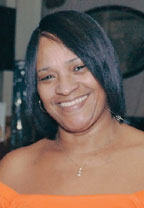
Carma Henry
Carma Lynn Henry Westside Gazette Newspaper 545 N.W. 7th Terrace, Fort Lauderdale, Florida 33311 Office: (954) 525-1489 Fax: (954) 525-1861
History offers no perfect blueprint, but it does offer wisdom. The experiences of Rwanda, postwar Germany, Chile, and South Africa reveal different approaches to accountability and reconciliation. Each illuminates both the promise and the limitations of pursuing justice after mass violence.
The deadline to choose is September 29. Once borrowers complete their new enrollment, monthly payments will begin per the terms of each. After the deadline, any borrower that did not choose will be placed in a standard repayment plan. Further, pending SAVE applications will be denied.
The Southern Baptist Convention’s vote to strengthen enforcement of its prohibition on women pastors landed like a thunderclap in some corners of American Christianity.
The shift comes as churches across the country are also embracing initiatives like “Spend in the Black,” a Chicago-based effort led by the Rev. Dr. Charlie E. Dates of Salem Baptist Church of Chicago and Progressive Baptist Church. The campaign encourages consumers to direct their dollars toward Black-owned businesses, framing spending as a tool for community empowerment.
James A. Crosby, 49, of Binghamton, was arrested June 23 by New York State Police after investigators determined he posted a threatening comment on a WBNG 12 News Facebook post. “I’d be proud to hang her from a tree,” Crosby wrote, according to WBNG.
THE CAROLINIAN — Hattie Wooten Lewis opened the Lewis Hotel in Raleigh, North Carolina, nearly a century ago, creating a vital refuge for Black travelers during segregation. The hotel was one of only two establishments in Raleigh listed in The Negro Motorist Green Book, a guide that helped Black Americans find safe places to stay. Lewis, an alumna of Shaw University, also provided housing for students, making the City & Local Guides
Thousands of Haitians living in Florida under humanitarian protections could be deported because of a Thursday, June 25 ruling from the U.S. Supreme Court.
Broward Education Foundation, the only 501(c)3 charitable organization solely dedicated to serving students and teachers in Broward County Public Schools, launched its annual Back to School Supply Drive, which runs through August 31, 2026.
The Florida A&M men’s basketball team will open its 2026-27 season against Florida State in the Orion180 Tip-Off Classic at Benchmark International Arena in Tampa on Nov. 2.