
Hillsborough County accounts for nearly nine in 10 locally acquired infections as health officials urge residents to take precautions against mosquito bites.
Florida has recorded its first dengue fever death of 2026 as locally acquired infections surge across the state, with Hillsborough County at the center of the outbreak.
The Florida Department of Health confirmed Friday that an 80-year-old Tampa-area woman in Hillsborough County died from dengue. Her death comes as Florida reports a dramatic increase in infections acquired within the state.
As of Sept. 12, Florida had recorded 338 dengue cases, including 152 locally acquired infections. That is a 145% increase from the 62 locally acquired cases reported during all of 2025.
Hillsborough County accounts for 134 of this year’s 152 locally acquired cases, according to state surveillance data. The county’s total has more than doubled since health officials described the increase as unusual earlier this month, when 59 local cases had been reported.
Other locally acquired infections have been reported in Miami-Dade, Pinellas, Pasco, Orange and Palm Beach counties. Orange County health officials announced two additional cases Sept. 18 and expanded mosquito-control efforts in affected communities.
The increase has prompted mosquito-borne illness alerts or advisories in several Florida counties.
“We are reminding all residents and visitors throughout the state to take precautions from mosquito-borne illnesses by appropriately applying insect repellent, avoiding areas with high mosquito populations, draining any standing water, and wearing long pants and shirts when possible – especially during sunrise and sunset, when mosquitoes are most active,” Florida Department of Health spokesperson Claire Maher said.
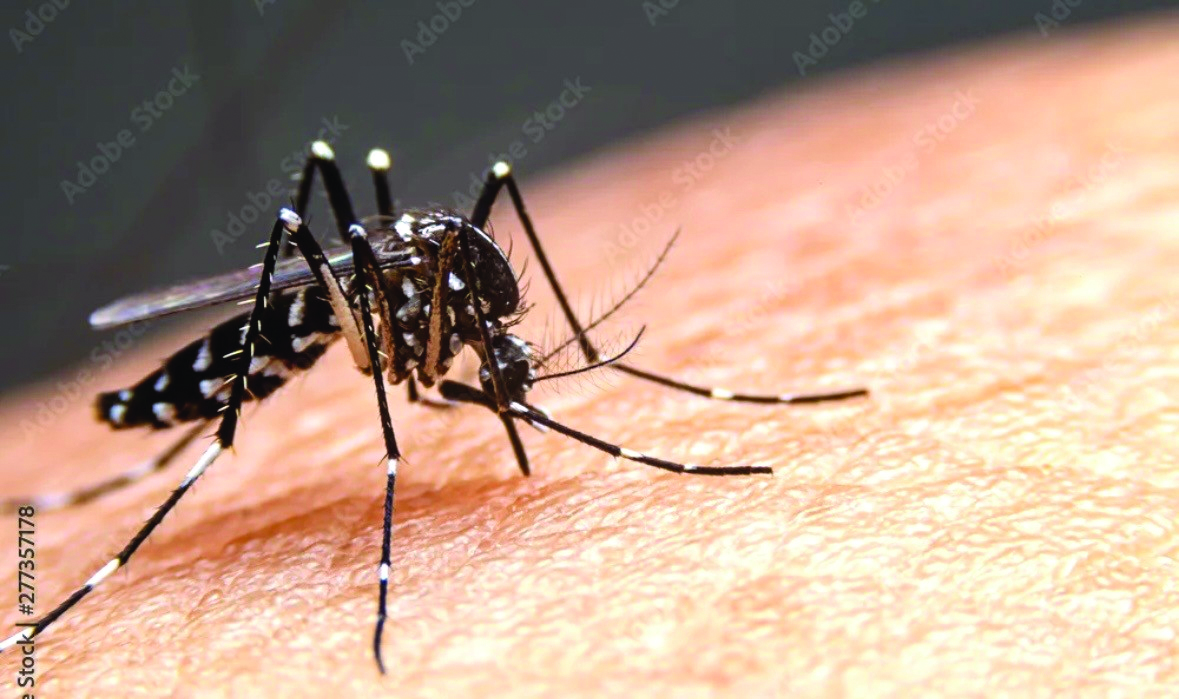
Dengue is transmitted by infected Aedes mosquitoes. It is not spread directly from person to person. Symptoms usually develop within about two weeks of a bite and may include fever, severe muscle and joint pain and rash.
While many infections are mild or produce no symptoms, severe dengue can cause internal bleeding and organ damage and, in rare cases, can be fatal.
Health officials are urging residents to use insect repellent, wear long sleeves and pants, repair damaged screens and eliminate standing water around homes and businesses where mosquitoes can breed.
The Florida Department of Health continues to monitor dengue and other mosquito-borne illnesses statewide, including West Nile virus, chikungunya, malaria, Eastern equine encephalitis and St. Louis encephalitis.
