From WRBD’s microphone to the pages of the Westside Gazette, South Florida’s Black community has spent more than half a century telling its own story
By Bobby R. Henry, Sr.
 FORT LAUDERDALE, FL — 1971 was a very good year for Black voices in Broward County.
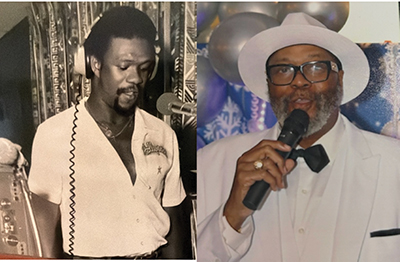
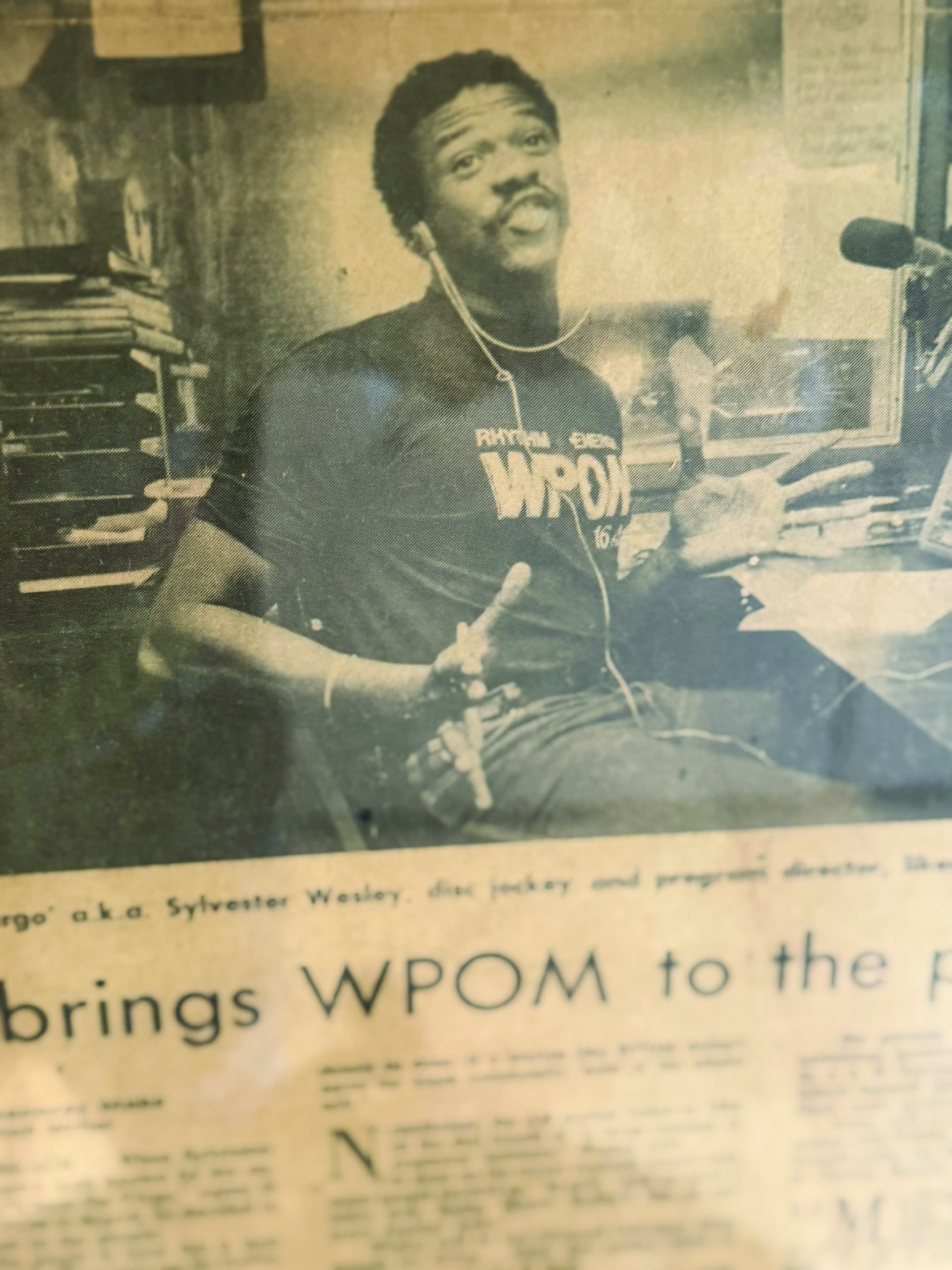
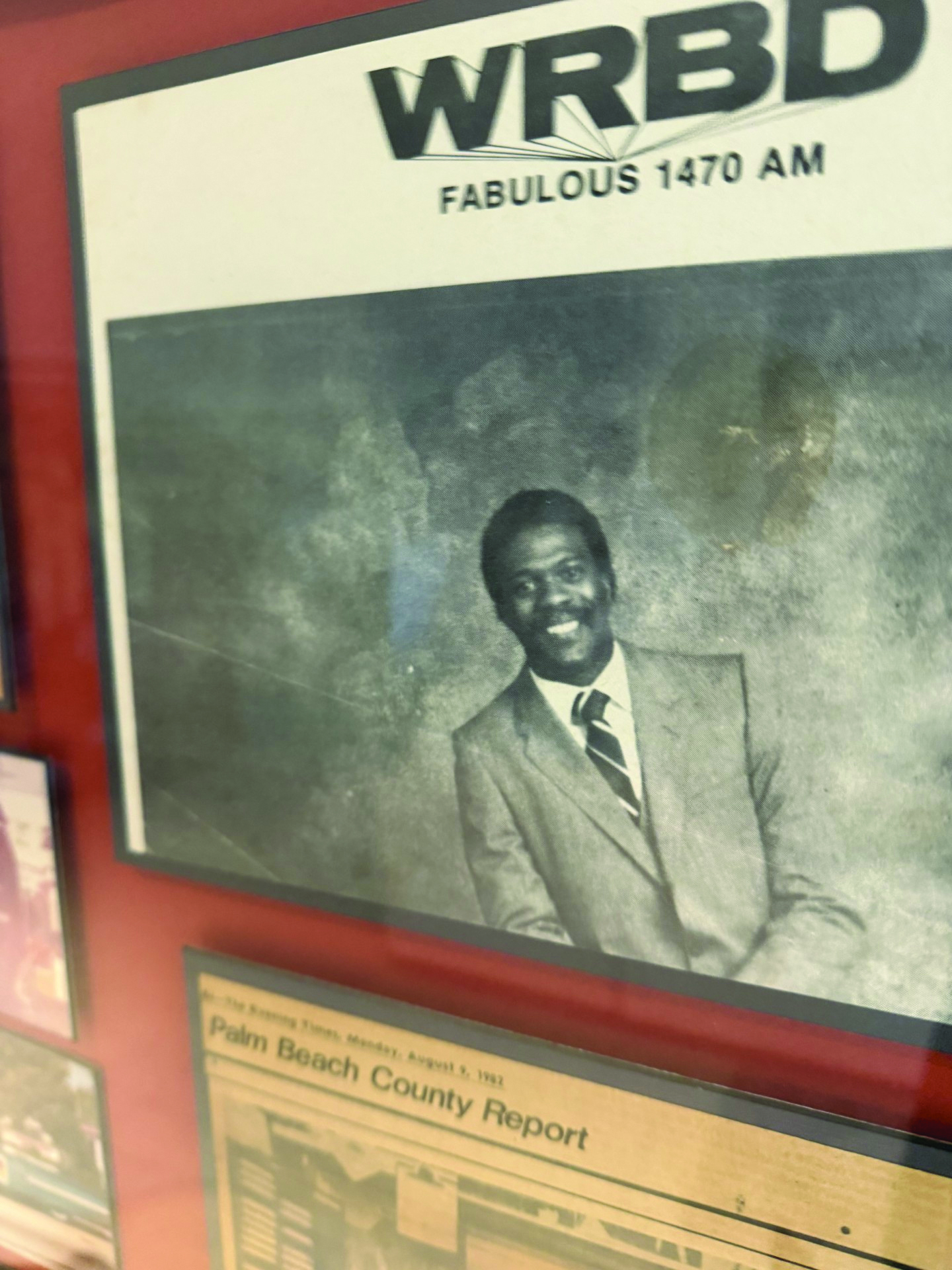
It was the year a young Sylvester G. Wesley II, the man South Florida would come to know and love as “Chico the Virgo,” was given 30 minutes behind the microphone at WRBD radio in Fort Lauderdale.
It was also the year the Westside Gazette began its journey of giving Broward County’s Black community a voice of its own.
Fifty-five years later, both are still here. That alone is worth celebrating. But the connection runs even deeper.
Before the Westside Gazette became the newspaper generations of families would invite into their homes, its founder, Levi Henry Jr., understood firsthand the power of broadcasting. He, too, was part of the WRBD family during an era when Black radio was far more than entertainment. It was our community’s town square.
 It told us what was happening when other media ignored us. It promoted our churches, businesses, and organizations. It played our music. It announced our victories and mourned our losses.
Most importantly, it
allowed us to hear our-selves. And among those voices was a teenager from Fort Lauderdale waiting for his opportunity.
Thirty Minutes That Became 55 Years
Chico was born in Hollywood, Florida, raised in Fort Lauderdale and attended Stranahan High School.
After two years of learning under legendary broadcaster Charles Merritt, better known as “The Mad Hatter,” Chico received his opportunity in 1971.
Thirty minutes. That’s all it took. Those 30 minutes at WRBD launched a broadcasting career that has now stretched across 55 years.
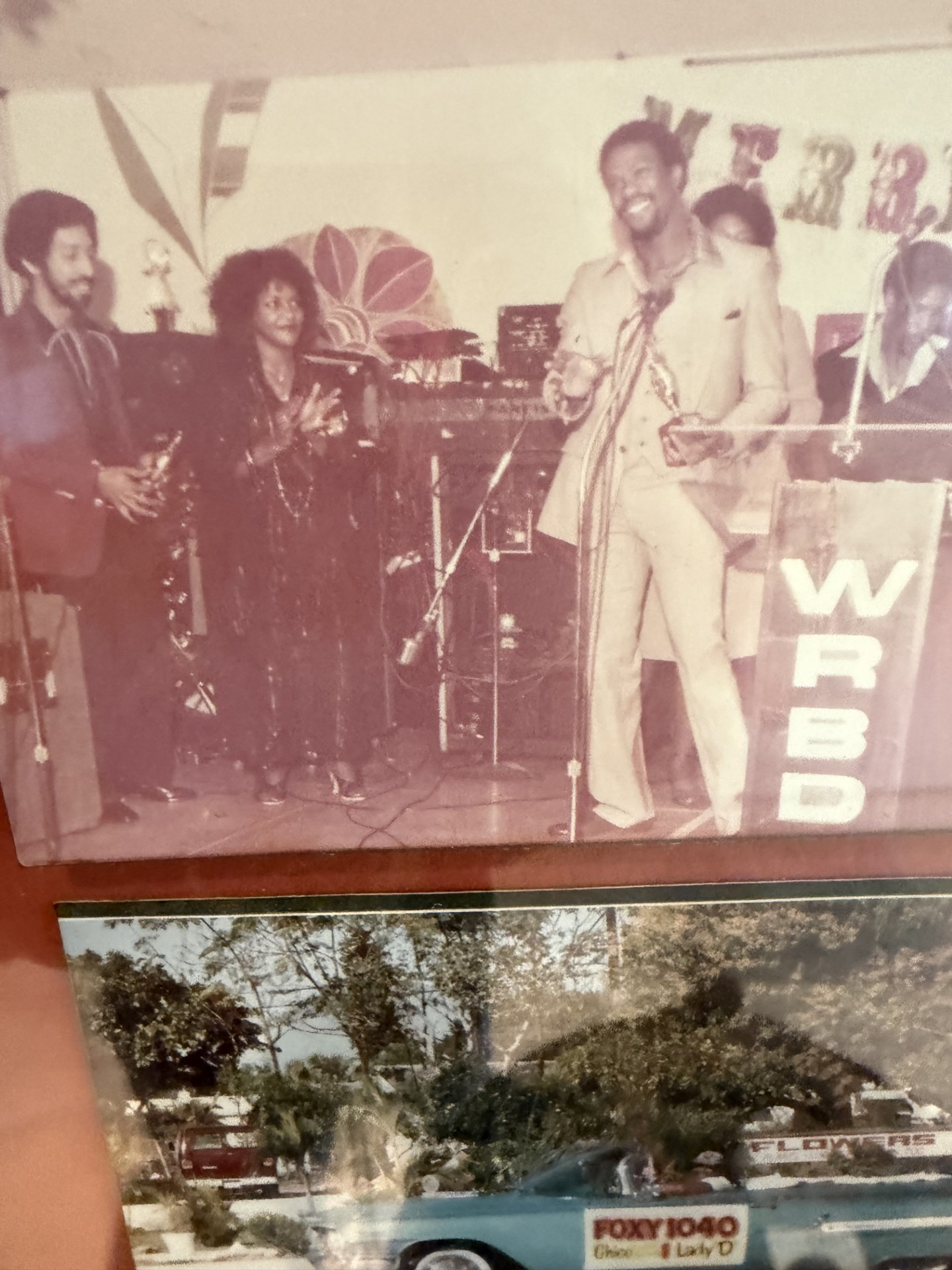 After graduating from Stranahan in 1972, Chico attended Florida Agricultural and Mechanical University, earning a bachelor’s degree in Corrections and Sociology.
But even while pursuing his education, the microphone kept calling.
He gained experience at WFSU on the campus of Florida State University before another legendary broadcaster, Joe Bullard — “The Voice of the Famous Marching 100” — brought him to WANM in Tallahassee in 1974.
There, Chico worked morning drive, afternoon drive, and Sunday morning gospel.
The young man who had once been given half an hour was becoming a broadcaster. And South Florida would soon get him back.
Coming Home
In 1979, Chico returned to Fort Lauderdale and WRBD. This time, he wasn’t the teenager hoping someone would give him 30 minutes.
He was taking over afternoon drive.
His career would eventually include WPOM in West Palm Beach, FOXY 1040 in Delray Beach and WEDR’s legendary 99 JAMZ, where he spent 12 years as an afternoon-drive personality.
Eventually, his unmistakable voice and personality brought him to WHQT HOT 105, where he remains part of the South Florida airwaves today.
After more than five decades, Chico can still be heard on HOT 105’s Old School Reunion weekends. His official station biography describes him as a trusted voice, community champion, and South Florida broadcasting icon.
But those descriptions only tell part of the story.
Black Radio Was Our Social Media
Long before Facebook, Instagram, X or TikTok, there was Black radio.
And there was the Black Press.
When something happened in our neighborhoods, people picked up the newspaper and turned on the radio.
WRBD was once home to a remarkable collection of Black broadcasting talent, including Joe Fisher, James T whose real name is James Thomas , the Crown Prince, Mad Hatter, Chico the Virgo, and others.
James T., who witnessed that extraordinary era of South Florida Black radio, remembers Chico as a protégé who came of age surrounded by giants.
“It would’ve been difficult for anyone to have been in the presence of such talented, legendary radio personalities and celebrities as The Mad Hatter, Crown Prince and Joe Fisher and not be enticed to become loved and celebrated as they were in the Black communities of Broward and Palm Beach counties,” James T. said.
It was that environment, he recalled, that helped give birth to the personality listeners would come to recognize instantly:
“Chico the Virgo — Large & In Charge, Chico on your radio.”
James T. closed his tribute with words that capture what 55 years of broadcasting has meant to generations of listeners:
“Congratulations, and from all of us who listened and love you, thank you for your years of service to our communities. Now, we all know who you are.”
Levi Henry Jr. was among those voices in a different way.
That shared history makes Chico’s 55th anniversary particularly special to us at the Westside Gazette.
We came out of the same struggle to be heard.
One voice traveled through a radio transmitter. The other traveled through printing presses. But the mission was essentially the same:
Tell our stories. Celebrate our people. Inform our community. And never allow somebody else to determine whether our voices deserve to be heard.
More Than a DJ
Calling Chico simply a disc jockey misses what Black radio personalities represented to our communities. They were promoters, messengers, advocates, entertainers and sometimes even counselors.
They told us where the fish fry was. They told us when somebody needed help. They promoted the concert. They announced the church anniversary. They introduced us to new music.
And when our community hurt, they hurt with us. Chico became part of that tradition.
His community service has brought recognition from Fort Lauderdale, West Park, Lauderhill, Lauderdale Lakes, Miami, Broward County, Miami-Dade County and the United States Congress.
But perhaps his greatest honor cannot be framed and placed on a wall. It is longevity earned through the trust of the community.
Still Here
Think about what 55 years means. Presidents have come and gone. Radio stations have changed formats.
Records became eight-tracks. Eight-tracks became cassettes. Cassettes became CDs. CDs gave way to downloads, satellite radio, streaming services, and smartphones.
Newspapers moved from hot type and paste-up to computers, websites, and social media.
Through all of it, Chico kept talking. And the Westside Gazette kept printing. That is why this anniversary is bigger than one broadcaster.
In 1971, nobody could have known that a young man receiving 30 minutes on WRBD and a Black newspaper beginning publication in Fort Lauderdale would still be serving this community more than half a century later.
Yet here we are.
Fifty-five years later.
The Westside Gazette is still telling our stories. And Chico the Virgo is still behind the microphone.
Two voices. Two mediums. One community.
And one enduring lesson:
When Black people control the microphone, own the printing press and tell our own stories, our history cannot so easily be erased.
Congratulations, Chico the Virgo, on 55 years behind the microphone.
From one 1971 Black media legacy to another — we salute you.