
Two of Florida’s historic HBCUs join forces to create a direct bridge from undergraduate achievement to doctoral education, research, and leadership
By Bobby R. Henry, Sr.
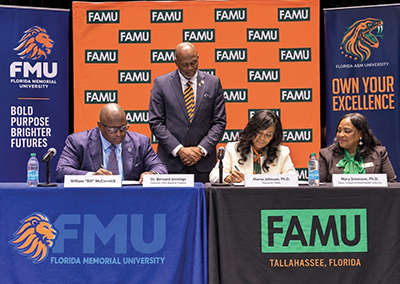
MIAMI GARDENS, FL — Two institutions born during an era when higher education was largely denied to Black Americans are joining forces to make one of education’s highest achievements, the doctoral degree more visible and attainable for a new generation.
Florida Memorial University (FMU) and Florida A&M University (FAMU) have signed a historic Memorandum of Understanding establishing a Ph.D. Pathways partnership, creating intentional routes for FMU undergraduate and master’s students to pursue graduate, professional, research and doctoral opportunities at FAMU.
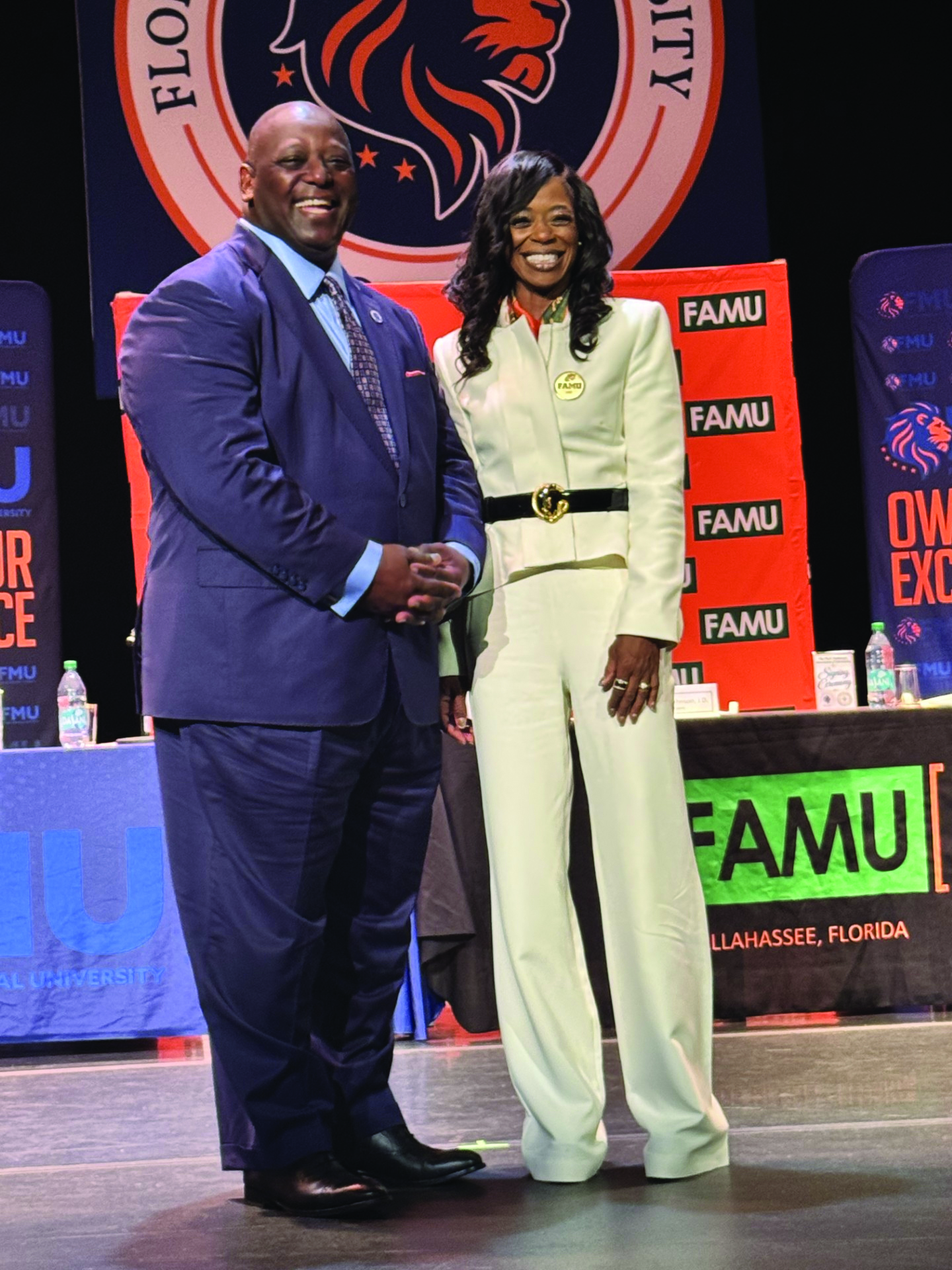
The agreement brings together Florida’s oldest historically Black university, FMU, founded in 1879, and FAMU, founded in 1887, in a partnership university leaders say could become a model for HBCU collaboration nationwide.
Dr. Jacqueline H. Beard, FMU’s Executive Vice President and Provost, presided over the signing ceremony, setting the tone for an agreement centered on expanding opportunity and preparing the next generation of scholars and leaders.
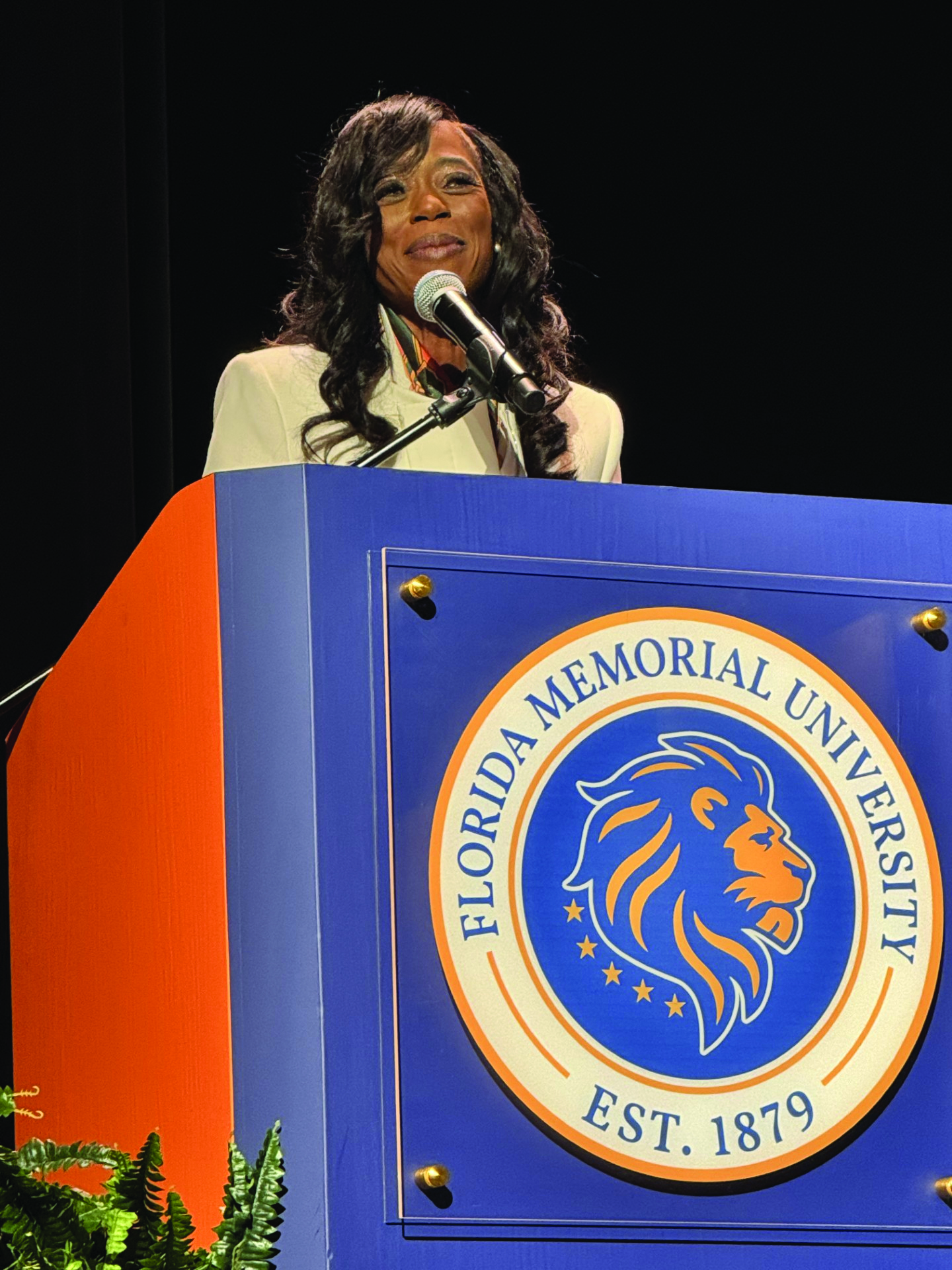
Beard described the occasion as more than an agreement between two distinguished universities, saying it represents a commitment to “expanding opportunity” and preparing students to reach their highest academic potential.
She emphasized that the partnership is intended to help students envision possibilities beyond their current degrees by opening doors to advanced study, research, scholarship, and leadership.
The agreement, Beard said, represents “the power of two HBCUs working together to create intentional pathways for our students to pursue advanced degrees and fulfill their highest academic potential.”
That message, that students should be able to see themselves at the highest levels of academia would echo throughout the ceremony.
From Miami Gardens to Tallahassee
Dr. Mary Simmons, dean of FAMU’s School of Allied Health Sciences, provided the most detailed explanation of what the new partnership will mean academically.
“There are moments when universities sign agreements, and there are moments when universities make history,” Simmons said. “Today, we are doing both.”
Simmons said the agreement is not limited to a single academic discipline. It creates potential pathways connecting FMU students with advanced study in public health, behavioral health, environmental justice, community development, engineering, pharmaceutical sciences, cybersecurity, health administration, supply chain management, entrepreneurship, education and other research and doctoral fields.
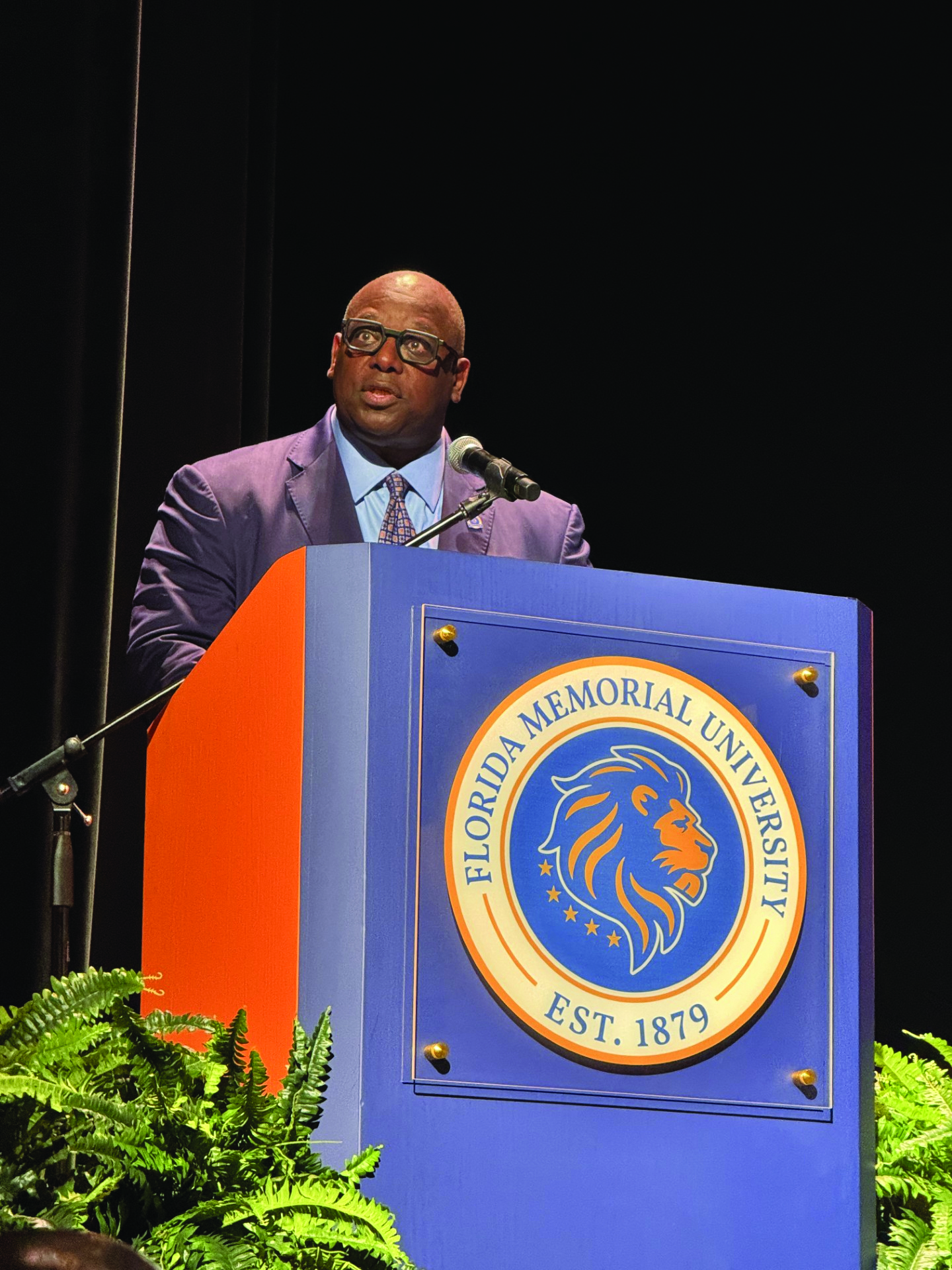
Students could also benefit from summer research opportunities, faculty mentoring, laboratory experiences, research symposiums, graduate-school preparation, information about assistantships and fellowships, and professional development.
“We’re not simply recruiting students from one institution to another,” Simmons said. “We are creating a continuum of opportunity.”
She summed up the philosophy behind the collaboration in a few words: “More education, more research, more leadership, more innovation, more opportunity, and more importantly, more impact.”
The goal is to allow an FMU student to begin with a dream in Miami Gardens and develop the preparation, confidence, mentorship and research experience necessary to ultimately earn an advanced degree at FAMU.
“Bachelor to master’s, master’s to doctorate, classroom to laboratory, research to discovery, that is a pipeline,” Simmons said.
A Legacy Born From Being Told “No”
For FMU President William “Bill” McCormick, the first alumnus to serve as president in Florida Memorial University’s history, the signing carried an even deeper historical significance.
Both institutions, he noted, were founded during an era when Black Americans were routinely told that higher education was a privilege not intended for them.
Yet generations of students, faculty and leaders at both universities answered that exclusion by building enduring institutions of higher learning.
McCormick said the agreement represents more than paperwork. It connects two HBCU stories written through struggle, determination and faith in the transformative power of education.
“What began as a shared vision now moves forward as a shared commitment,” McCormick said.
His hope, he added, is that the agreement will become a symbol of what is possible when HBCUs collaborate rather than operate in isolation.
“Today, we honor where we come from. Today, we invest in our students and where they’re going,” McCormick said.
“We Are Not Just Waiting for You”
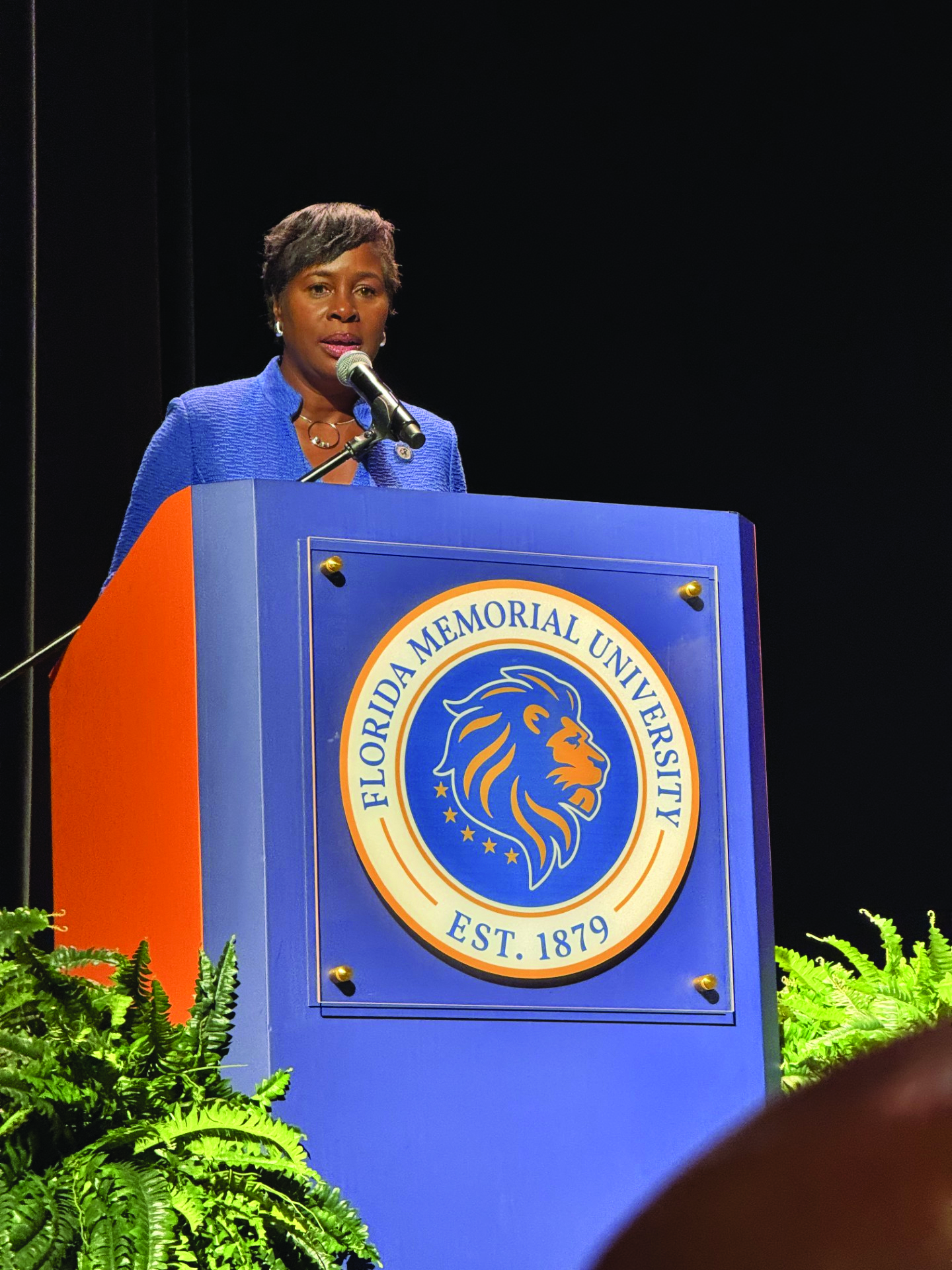
FAMU President Marva Johnson placed the partnership within FAMU’s responsibility as Florida’s 1890 land-grant institution, whose educational mission extends throughout all 67 counties.
Johnson pointed to the complementary strengths of the institutions from FMU’s aviation programs in South Florida to FAMU’s doctoral programs, laboratories, researchers, and graduate resources in Tallahassee.
But she stressed that a successful pathway requires more than simply telling students that graduate school is available.
It means advising students well before their senior year, connecting them with faculty who know them personally, providing research placements and ensuring students understand exactly what is required to advance.
“To any Florida Memorial University student who wants a doctorate, you will know exactly what that path requires of you,” Johnson said.
She then spoke directly to FMU students in the room.
“You’re not being invited to apply anywhere. You’re being invited to apply somewhere specific: Florida Agricultural and Mechanical University,” Johnson said.
And she made FAMU’s commitment unmistakable:
“We are not just waiting for you; we are watching you. We are supporting you. We are here for you because we want to see you take that great step toward a Ph.D.”
Changing Families for Generations
The ceremony also carried a spiritual dimension.
During the invocation, Dr. Jamila Jackson, FMU’s Dean of Campus Ministry, prayed specifically for students who may become the first members of their families to pursue advanced degrees.
“We ask that this partnership will change the trajectory of families for generations,” Jackson prayed.
She also called for the FMU–FAMU relationship to become “a model of what is possible when HBCUs come together,” sharing resources and opening opportunities for students to reach the highest levels of education.
That may ultimately be the larger significance of the agreement.
The FMU–FAMU partnership isn’t simply designed to move students from one campus to another. It seeks to move students from potential to preparation, preparation to opportunity and opportunity to impact.
For a young person in Miami Gardens who has never pictured “Ph.D.” behind his or her name, the agreement sends a different message:
There is a pathway. There is an opportunity. And there is a place for you at the table of scholarship and leadership.
From Miami Gardens to Tallahassee, two historic HBCUs are now working to make sure their students know exactly how to get there.
