Understanding the specific challenges faced by minority groups is crucial.
African Americans and Hispanics, experience diabetes rates that are 60% higher than those of white populations, and racial and ethnic minorities face a greater burden of diabetes-related complications, including kidney disease and amputations.
Personal Experience — My first encounter with diabetes involved a great-aunt whose legs were infected with gelatinous sores that emitted pus, which even penetrated the cloth wrappings. In those days, the pervasive disease was known as “Sugar.” That was in the 1950s.
The impact of diabetes on my family has been devastating. My middle brother, thinking he had a severe cold, finally drove himself to the hospital, unaware that he had contracted COVID-19. Being diabetic, the combination proved fatal.
My niece, a registered nurse who appeared to be in perfect physical health, was endeavoring to assist her oldest son, who was experiencing kidney failure resulting from diabetes. She herself was diagnosed with diabetes as well. How profoundly shocking!
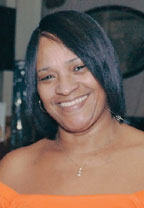
My 20-year-old grandson has Type 1 diabetes, so I have personal experience with the disease’s effects on our family and the Black community generally.
Nunnie Robinson
Personal Testimonies — I recently interviewed Lenroy Ellis and Devon “Baby” Palmer, a fraternity brother and a family friend, respectively. Both lost their sight as a result of diabetes. We trust that you will find their stories enlightening and informative.
From Sight to Vision: Two Men Share Their Battles With Diabetes, Kidney Disease and the Power of Prevention
By Nunnie Robinson and Bobby R. Henry, Sr.
At Plantation Central Park, during a Kidney Walk held as part of the Omega Psi Phi Fraternity Achievement Week initiative, two powerful testimonies came together — the stories of Lenroy Ellis and Devon “Baby” Palmer. Though their journeys are different, both men carry the same urgent message for the community: diabetes is not “just a little sugar.”
Ellis, a proud Cheyney University graduate, former athlete, businessman, fraternity brother, and kidney transplant recipient, said his health journey began with Type 2 diabetes in 1998. At the time, he was young, weighed close to 300 pounds, and was not fully aware of the long-term dangers.
“In our community, prevention is not something that is taught every day,” Ellis said. “Kidney disease is not talked about every day. Diabetes — we called it sugar — but nobody really talked about how to prevent it or how to live with it.”
Over time, diabetes affected his eyes, kidneys, and mobility. Ellis eventually lost his sight, experienced kidney failure, and had to learn how to walk again. Yet his testimony is not one of defeat.
“I lost sight, but I gained vision,” he said. “Sight is what you see right in front of you. Vision is what lets you look five, ten, twenty-five years down the road.”
That same theme of delayed awareness runs through Palmer’s story. Known by many as “Mr. Groovy,” Palmer said he was diagnosed with Type 1 diabetes as a teenager but did not take it seriously.
“I was young, wild and free,” Palmer said. “I didn’t know I was destroying myself.”
Without his parents’ guidance and consistent support, Palmer said he continued eating sugary cereals and processed foods and drinking heavily as he got older. For years, he ignored the warning signs.
“I didn’t feel anything wrong,” Palmer said. “I thought I was strong. I didn’t understand the complications.”
Eventually, diabetes damaged his eyesight. Palmer is now legally blind, with limited vision in one eye. Like Ellison, he now speaks openly so others will not have to learn the hard way.
“If you find out you are diabetic, change your whole mindset,” Palmer said. “Eat right. Exercise. Monitor your glucose. Go to the doctor. Go to the eye doctor. Don’t wait.”
Both men credited family, faith, and support systems with helping them continue moving forward. Ellis spoke lovingly of his wife, who allows him his independence while standing beside him when needed. Palmer credited his fiancé, Tawanna Taylor, and family members with encouraging him to seek medical care when he was trying to handle the pain alone.
Their stories also point to a larger issue: Black families have too often treated diabetes as something normal, inherited, or unavoidable rather than something that must be confronted with education, prevention, and discipline.
“We celebrate with food,” Ellis said. “But now that we know better, we have to do better.”
Today, Ellis continues to run his business with what he calls “vision,” not just sight. Palmer continues his fight to preserve what vision he has and encourages others to act early.
Their message is clear: Do not wait until diabetes steals your sight, damages your kidneys, or changes your life forever.
Get checked. Ask questions. Change your diet. Exercise. Follow medical advice. Take prevention seriously.
Because what many once called “a little sugar” can become a life-changing storm — but with knowledge, support, and action, lives can still be saved.