
By Shaun White
(Source: HBCU News)
June is Black Music Month, and HBCU Gameday is proud to spotlight an often-overlooked part of HBCU history.
At a time when America was not ready to welcome many Black entertainers into mainstream venues, Historically Black Colleges and Universities opened their doors. The campuses where Black students lived, learned, and built community also became stages for some of the greatest artists the world has ever known.
HBCUs were established to educate Black Americans who were denied access to many predominantly white institutions. Land-grant universities and church-supported colleges across the country created opportunities for higher education, but they also fostered a powerful sense of belonging and cultural expression.
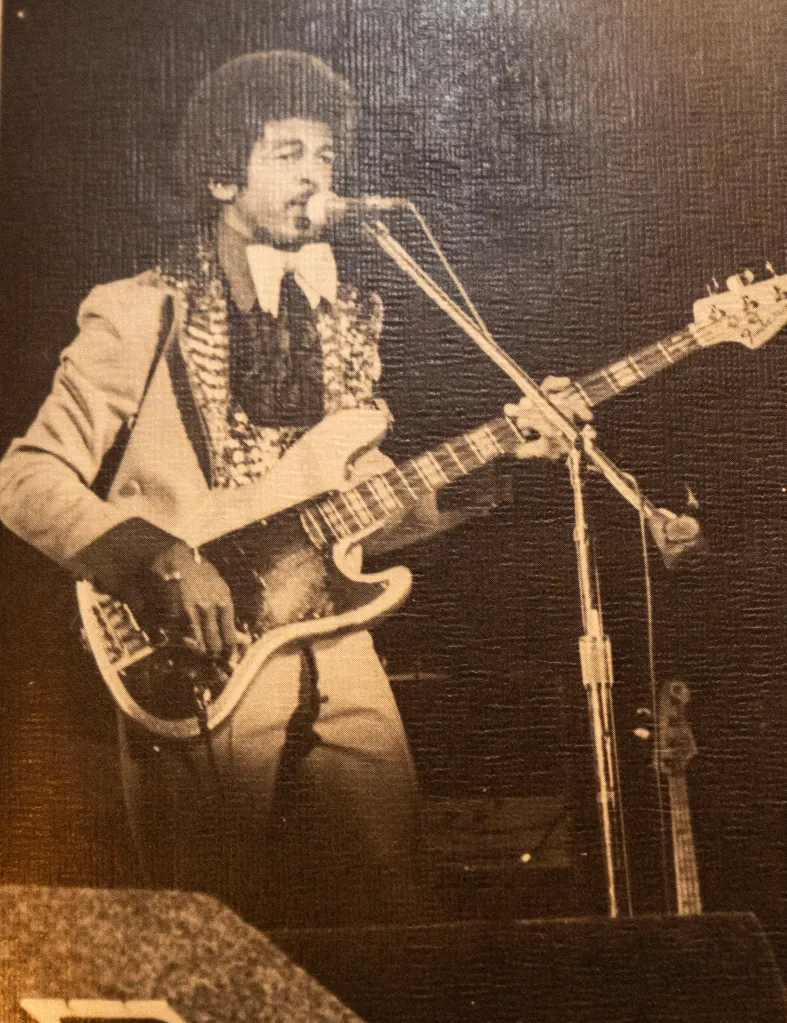
Ironically, one of the few positives to emerge from the segregation era was that Black entertainers, who also faced barriers to mainstream venues, found refuge on HBCU campuses. The same institutions that nurtured Black scholars became safe havens for Black artists.
Music and culture flourished on HBCU campuses
The biggest names in acting, activism, and music frequently visited HBCUs because they were welcoming spaces. They served as platforms to advance the Civil Rights Movement, showcase dance and theater productions, and provide audiences with performances by some of the greatest Black entertainers in the world.
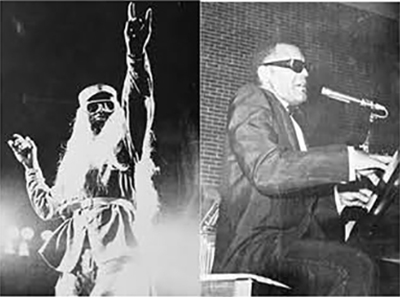
From the 1960s through the mid-1980s, HBCU gymnasiums and event halls hosted an incredible run of legendary performers. The likes of Ray Charles, James Brown, The Temptations, The Four Tops, Chaka Khan, and many others brought unforgettable shows directly to Black college campuses.
George “Dr. Funkenstein” Clinton fondly recalled those days, explaining that Black colleges were essential stops because mainstream arenas were often out of reach.
“We didn’t care where we performed. The black college campuses was where they were listening to our music, so we went where the fans were,” Clinton said.
Clinton, Parliament, Funkadelic, and P-Funk performed at Howard University, Hampton University, Norfolk State University, North Carolina A&T, Morgan State University, and Florida A&M University, among others.
HBCUs also attracted big names in activism
HBCUs also provided safe spaces for influential activists such as Stokely Carmichael, Angela Davis, and Dick Gregory. Their appearances inspired young people to become involved in the struggle for civil rights. Many of the movement’s most significant campaigns were launched or strengthened on HBCU campuses and by their students.
North Carolina A&T became nationally known for the Greensboro lunch counter sit-ins, where four courageous students challenged segregation at a Woolworth’s lunch counter. Their actions helped spark a movement that ultimately led to the desegregation of Woolworth’s locations. Jesse Jackson was quarterback and a student leader.
In Tallahassee, two FAMU co-eds refused to give up their seats on a city bus, helping ignite the Tallahassee Bus Boycott. Led by the Rev. Dr. C.K. Steele and the Southern Christian Leadership Conference (SCLC), the boycott attracted national attention and brought a young Morehouse College graduate, Dr. Martin Luther King Jr., to Tallahassee to support the effort. Jackson and Stokely Carmichael would also become familiar figures on HBCU campuses.
Even as progress was made during the Civil Rights era, many concert halls remained segregated. Some of Motown’s biggest stars still faced barriers to mainstream venues, making the HBCU circuit one of the most important stops for Black entertainers.
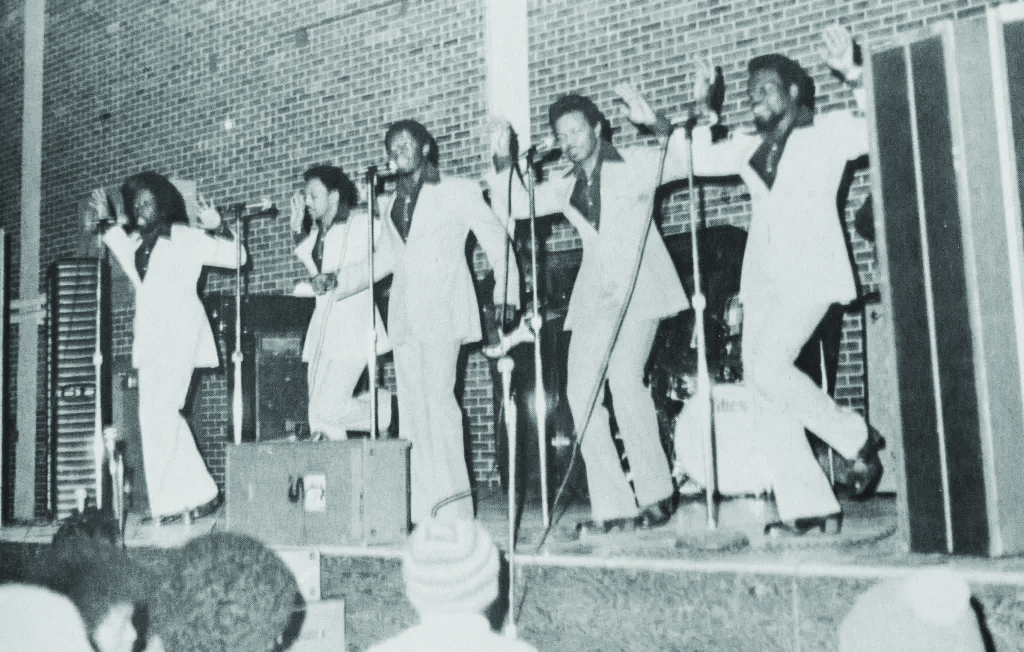
James Brown frequented HBCUs during the height of his career
At the height of his career, James Brown regularly toured HBCU campuses. He was already regarded as one of the greatest performers of all time. A Rock & Roll Hall of Fame inductee, a Grammy Award winner, and one of the world’s most recognizable entertainers, Brown continued to perform for HBCU audiences well into the late 1970s.
Many of the world’s biggest stars traveled the HBCU circuit, and their visits are preserved in yearbooks and campus archives from that era. The recent passing of Peabo Bryson serves as a reminder of another legendary performer who frequently appeared on HBCU stages. While mainstream audiences may remember him for his Disney duet with Regina Belle in Aladdin, Black audiences also remember his signature ballads, including “Feel the Fire.”
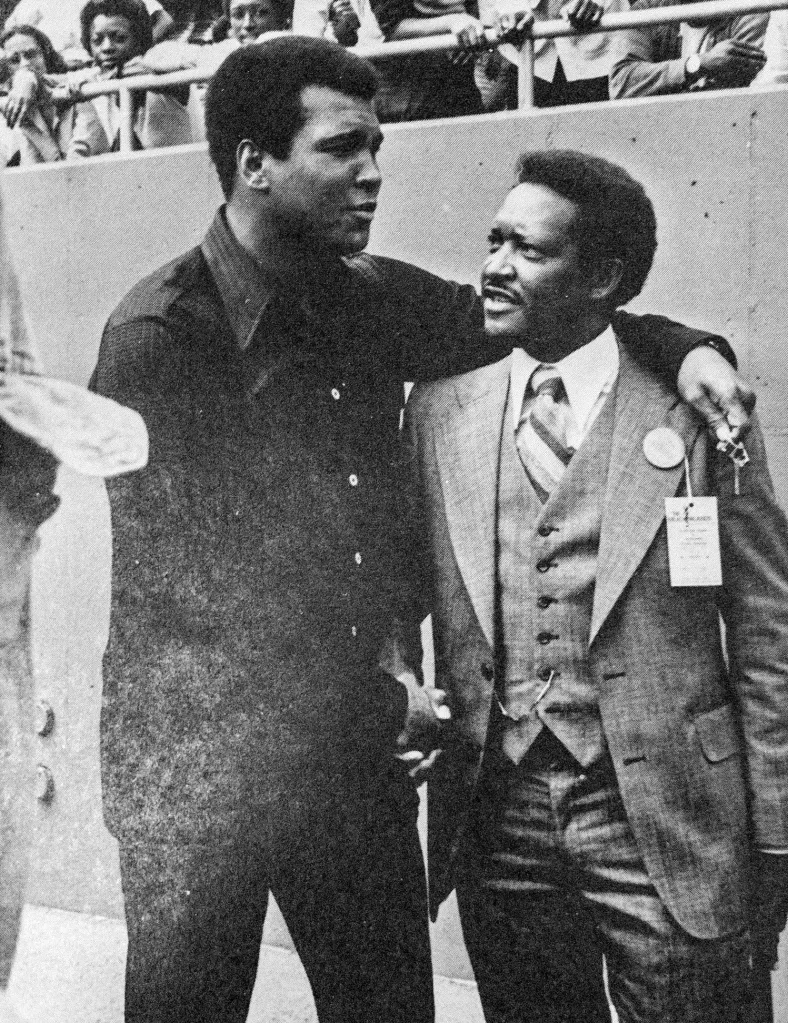
Muhammad Ali and Barack Obama made their way to HBCU campuses
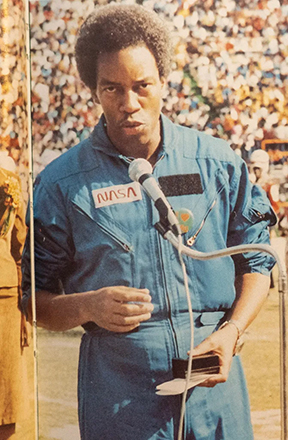
HBCUs also welcomed trailblazers from beyond the entertainment world. Muhammad Ali, NASA astronaut Guion Bluford, comedian and actor Bill Cosby, and many others spoke to enthusiastic campus audiences. During his historic 2008 presidential campaign, then-Senator Barack Obama also made stops at HBCUs across the country.
Eventually, Black entertainers gained greater access to major concert venues, due in part to the influence of promoters such as Al Haymon. These larger stages expanded their audiences and visibility, and many artists gradually moved away from the HBCU circuit.
Today, however, many of the biggest names in entertainment are returning to HBCU campuses by choice rather than necessity. Artists such as Cardi B, Future, T-Pain, and many others proudly perform at homecomings and major campus celebrations, honoring a tradition that helped shape Black music and culture.
As America celebrates Black Music Month, it is worth remembering that HBCUs were more than institutions of higher learning. They were cultural centers, engines of social change, and some of the most important concert venues in Black history.
